5 Signs It's Time to Replace Your Gutter Guards
Most homeowners install gutter guards and reasonably expect to forget about them for a long time. And with a well-engineered system, that expectation is largely justified. But no gutter protection product lasts forever, and Gutter Helmet of Denver consistently finds that homeowners who wait too long to replace a failing system end up dealing with the kind of water damage that a functioning system would have prevented entirely.
The challenge is that gutter guard deterioration tends to be gradual. There is rarely a single dramatic moment where the system obviously fails. Instead, there are warning signs that compound quietly over time until the first heavy rain of fall or a significant Colorado snowstorm reveals the problem in the most inconvenient way possible.
Knowing what to look for before that moment arrives is what separates proactive home maintenance from expensive reactive repairs. Here are the five most reliable signs that your gutter guards are due for replacement, and why acting before fall leaf buildup is the right time to do it.
Sign 1: Visible Sagging, Separation, or Physical Damage
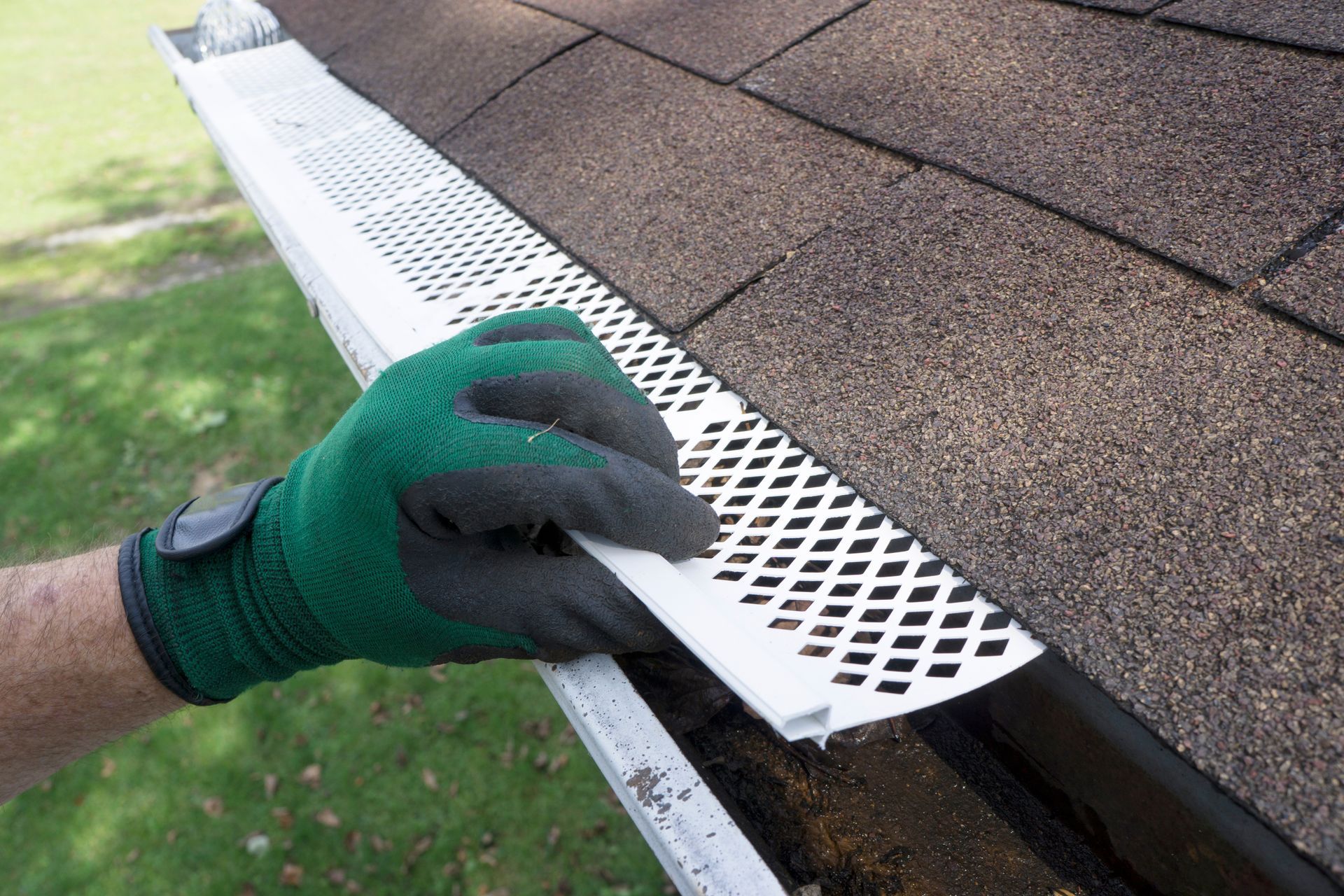
The most straightforward sign that gutter guards need replacement is physical deterioration you can see from the ground or during a routine inspection. Sagging sections, guards that have separated from the gutter or roofline, cracked or broken panels, and sections that have shifted out of position are all clear indicators that the system is no longer functioning as designed.
In Colorado's climate, physical damage accumulates from several directions simultaneously. Heavy snow loads stress the attachment points that hold guards in place. Freeze-thaw cycling causes expansion and contraction that gradually works fasteners loose. Hail impacts crack or dent guards that use plastic or thin aluminum components. And UV exposure at Colorado's elevation causes materials to become brittle over time, making them more susceptible to cracking under load.
Once a guard section has separated or shifted even partially, debris has a direct path into the gutter below. A system with gaps is in many respects worse than no system at all, because it creates the impression of protection while allowing debris to accumulate unseen inside the gutter channel. Clogged gutters cause more damage than most homeowners realize, and a partially failed guard system is one of the more common causes.
Sign 2: Water Overflow During Moderate Rain Events
If you are noticing water cascading over the sides of your gutters during rain events that previously caused no issues, the gutter guard system is likely contributing to the problem rather than solving it. This sign is particularly telling because it suggests the effective flow capacity of the system has been compromised, either by debris accumulation inside the gutter, deterioration of the guard's water-directing geometry, or both.
Aging micro-mesh products are especially prone to this failure mode. As the mesh degrades and debris builds up on the surface, the rate at which water can pass through decreases. Eventually the system reaches a point where even moderate rainfall exceeds its flow capacity. Why summer is one of the worst times for gutter problems applies equally to fall, when Colorado's rain events combine with heavy leaf and debris loads to push a marginal system past its limits.
Overflow that runs down the exterior of the home rather than through the downspouts is actively causing damage to fascia, siding, and foundation every time it rains. Treating this as a minor nuisance rather than a system failure signal is one of the more costly mistakes a homeowner can make.
Sign 3: Visible Debris Buildup Inside the Gutter
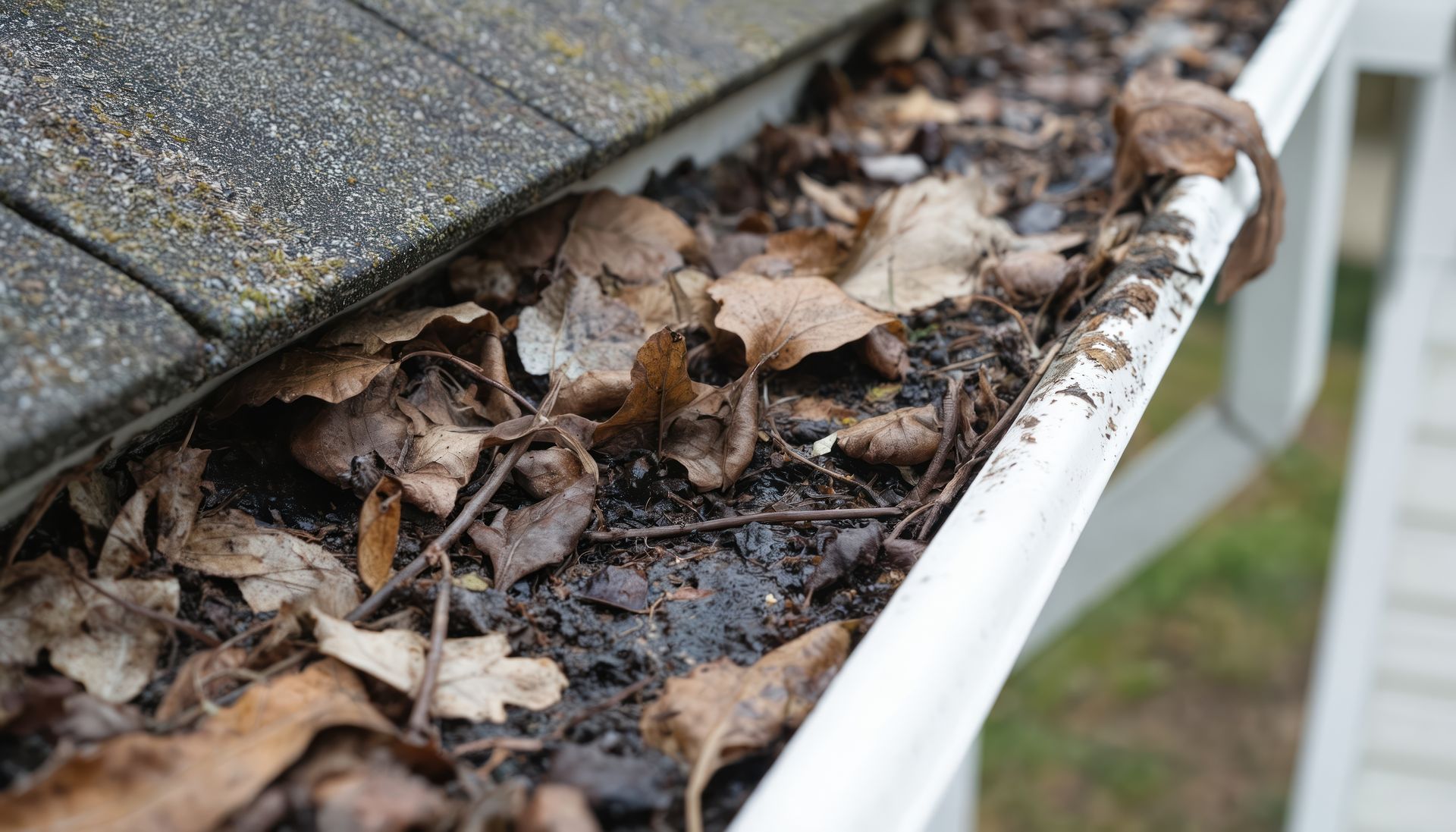
If debris is visibly accumulating inside the gutter despite having guards installed, the system is no longer performing its primary function. This can happen for several reasons. Guards that have shifted or separated allow debris to enter through the gaps. Mesh products that have degraded allow fine debris to pass through openings that have enlarged over time. And some guard types that were never well-suited to Colorado's debris profile, particularly foam inserts and basic screen covers, simply become overwhelmed and stop providing meaningful protection.
Checking inside the gutter at least once per season is worthwhile even with guards installed. A flashlight inspection from a ladder takes a few minutes and reveals whether the system is keeping the interior clear as it should. If you are finding compacted pine needles, leaf debris, or sediment buildup inside a guarded gutter, that is a clear signal that the current system is no longer doing its job. The reasons for choosing gutter covers over manual cleaning only hold up when the covers are actually preventing debris entry, which a deteriorated system cannot reliably do.
Sign 4: Rust, Corrosion, or Significant Finish Deterioration
Surface deterioration is more than a cosmetic issue. Rust and corrosion on metal gutter guard components indicate that the protective finish has failed and the base material is being actively degraded. Once corrosion takes hold, it accelerates, weakening the structural integrity of the guard and eventually compromising the gutter below it.
Finish deterioration from UV exposure is a related concern in Colorado specifically. At Denver's elevation and higher, UV intensity degrades surface coatings faster than at sea level. Guards that are showing significant fading, chalking, or surface breakdown are likely past the point where the underlying material is still performing to its original specification. A finish that has failed is no longer protecting the material beneath it from moisture, oxidation, and thermal stress.
This is one area where the quality of the original material matters significantly. How Gutter Helmet protects your home from clogs and overflow relies in part on the durability of its heavy-gauge aluminum and baked-on finish, which is specifically chosen to resist the UV and weather conditions of Colorado's environment. Lower-quality materials simply don't hold up to the same standard over time.
Sign 5: Your Current System Is More Than 15 to 20 Years Old
Age alone is a legitimate replacement consideration, even if a system doesn't show obvious physical signs of failure. Gutter guard products installed fifteen to twenty or more years ago were manufactured to standards that predate current engineering improvements. The materials, attachment methods, and performance profiles of older systems are simply not comparable to what a quality modern installation delivers.
There is also a practical maintenance consideration. An aging system that is approaching the end of its service life will require increasingly frequent attention, and a significant repair to a system that is already near replacement age rarely makes financial sense. The cost savings of gutter guards are best analyzed when considering long-term benefits, and replacing an aging system before it fails completely is almost always more economical than repairing the water damage a failed system causes.
If your home has gutter guards that were installed before 2010, a professional assessment is a worthwhile investment regardless of whether the visible signs of deterioration are present yet.
Why Fall Is the Critical Replacement Window
Replacing gutter guards before fall arrives is not just a matter of timing convenience. It is a strategic decision that determines whether your drainage system is prepared for the two most demanding periods of the Colorado year back to back: fall leaf and debris season followed immediately by winter snow and ice loads.
A gutter guard system installed in late summer or early fall enters the heavy-debris season at full performance capacity. A deteriorating system that limps through another fall accumulates debris that then freezes in place over winter, creating ice dam conditions that damage gutters, fascia, and rooflines. Fall gutter prep and why early protection matters in Colorado is a consistent theme for Front Range homeowners, and the gutter guard replacement decision fits directly into that seasonal planning window.
Waiting until spring to address a system that showed warning signs the previous fall means absorbing a full winter of compromised drainage performance and the damage that goes with it.
What to Expect From a Professional Replacement Assessment
A professional gutter guard replacement assessment does more than confirm that the current system needs to go. It evaluates the condition of the underlying gutters, checks that hangers and fasteners are secure, assesses whether the existing gutter size and configuration are appropriate for the home's drainage demands, and recommends the right replacement system for the specific conditions of the property.
This last point matters more than it might seem. A home in a heavily forested foothill area has different requirements than a Denver neighborhood home with moderate tree cover. A steep-pitch roof creates different flow dynamics than a standard suburban roofline. Getting the right gutter size for your home is a foundational consideration that a replacement assessment should address before any
new system is specified.
Replacing a failing gutter guard system with a new system of the same type that struggled in your specific conditions isn't an improvement. A proper assessment ensures the replacement is actually better suited to your home than what it's replacing.
Frequently Asked Questions About Gutter Guard Replacement for Denver Homeowners
How long should gutter guards last before needing replacement?
Quality matters significantly here. Budget products and basic screen covers may begin showing performance issues within five to seven years. Premium solid-surface systems made from heavy-gauge aluminum with quality finishes can last twenty years or more with minimal maintenance. Colorado's UV exposure, hail activity, and freeze-thaw cycling accelerate deterioration compared to milder climates, so the upper end of any manufacturer's lifespan estimate should be treated as optimistic for Front Range installations.
Can I repair sections of failing gutter guards rather than replacing the whole system?
In some cases a localized repair is reasonable, particularly if the system is relatively new and the damage is isolated. But if multiple sections are showing signs of failure, the overall system is aging, or the product type has fundamental performance limitations in your environment, piecemeal repairs tend to be a short-term fix that delays an inevitable full replacement. A professional assessment is the most reliable way to determine whether repair or replacement makes more sense for your specific situation.
Do I need to replace my gutters at the same time as my gutter guards?
Not necessarily, but the condition of the underlying gutters should be evaluated before new guards are installed. Gutters with significant rust, separated seams, improper slope, or hanger failures should be addressed before or alongside a guard replacement. Installing new guards over compromised gutters is a common mistake that leads to premature problems with the new system. Why gutter protection matters in Denver starts with a gutter system that is in good working condition.
What is the best time of year to replace gutter guards in Colorado?
Late summer through early fall is the ideal window for most Colorado homeowners. This timing ensures the new system is fully installed and performing before the fall debris season and the subsequent winter snow and ice loads. Spring is the second-best option, giving the system the summer storm season to perform before fall arrives. Replacing guards in the middle of winter is possible but creates installation challenges in cold and icy conditions.
Will new gutter guards work with my existing gutters?
In most cases, yes, but compatibility depends on the gutter profile, size, and condition. Standard K-style gutters in five-inch and six-inch sizes accommodate most professional gutter guard systems. Older or non-standard gutter profiles may require adaptation. A professional installer will assess compatibility during the initial consultation and identify any modifications needed before installation begins.
How do I know if my gutter guards are still under warranty?
Locate your original installation paperwork, which should include the warranty terms and duration. If the system was installed by a professional installer, they may have records on file. If the original documentation is unavailable, contact the manufacturer with the product name and approximate installation date. Keep in mind that some warranties require periodic maintenance to remain valid, and a system that has been neglected may have warranty implications worth understanding before deciding between repair and replacement.
Don't Wait for Fall to Find Out Your System Has Failed
The warning signs of a failing gutter guard system are easiest to address before the heaviest debris season of the year arrives. Schedule a free consultation with Gutter Helmet of Denver and get a professional assessment of your current system before fall puts it to the test.
You might also like