Why Summer Is the Worst Time for Gutter Problems

June 21, 2025
summer is the worst time for gutter maintenance

As summer arrives in Colorado, homeowners often turn their attention to outdoor activities, barbecues, and vacations. However, it's crucial to remember the potential risks that come with this season, particularly regarding gutter maintenance. Clogged gutters during the summer can lead to a variety of issues that might not be immediately apparent but can cause significant damage over time. Understanding why neglecting gutter care in the summer can lead to severe consequences for your home is essential.


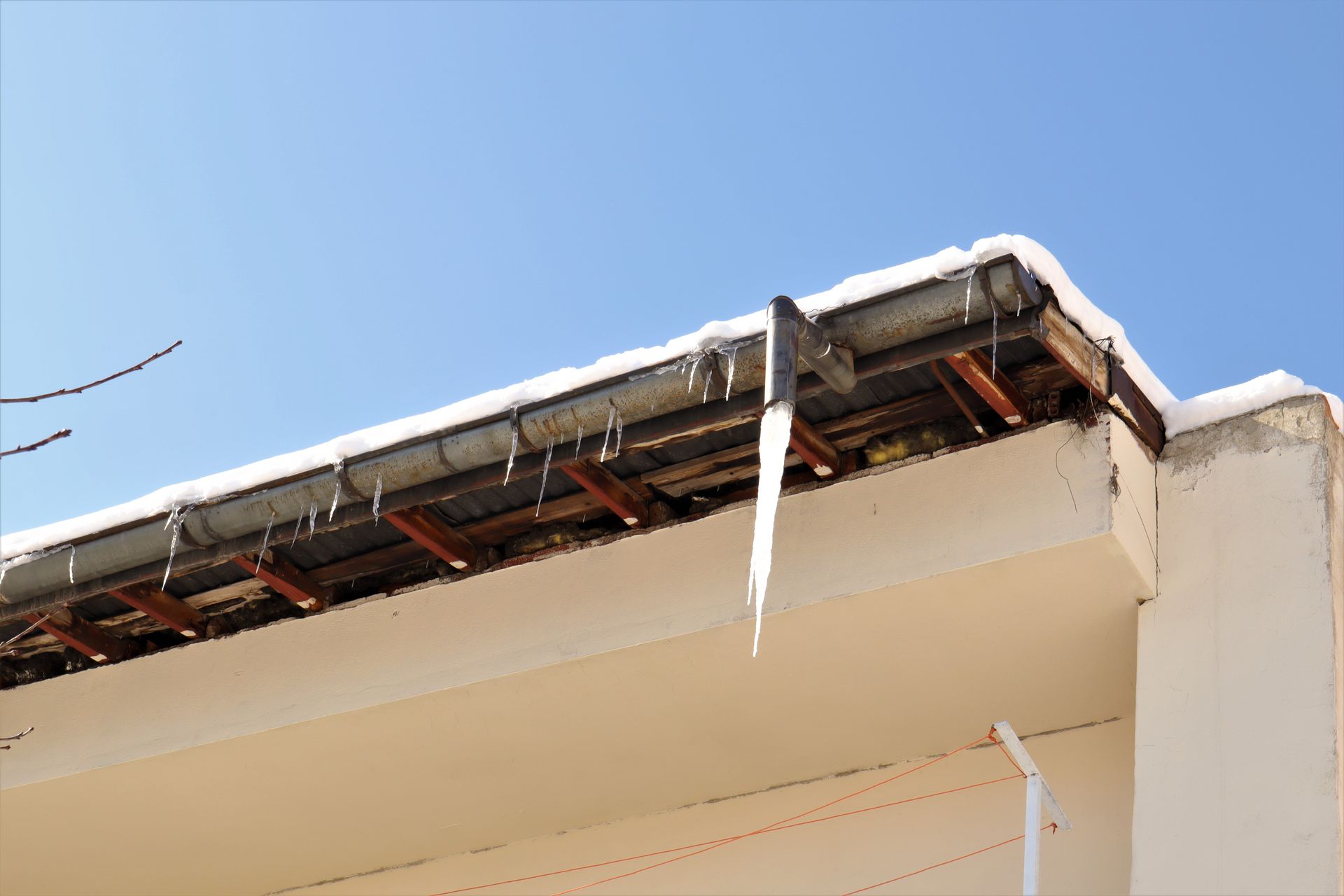
When gutters are clogged, they cannot effectively channel rainwater away from your home. This can result in several serious problems, including pest infestations, water damage, and structural issues. Clogged gutters can quickly turn into a significant concern, as many homeowners may overlook them during this busy season.


Understanding the Risks

The primary function of gutters is to direct water away from the roof and foundation of your home. When gutters are blocked, they cannot perform this essential duty. This leads to overflow, which can create a host of problems:


  • Pest Infestations: Standing water in clogged gutters attracts mosquitoes and other pests, increasing the risk of infestations in your home. These pests not only pose health risks but can also create discomfort during summer gatherings.
  • Water Damage: Overflowing gutters can lead to water pooling around the foundation. This pooling water can seep into basements or crawl spaces, causing structural damage and mold growth. Moisture in these areas can lead to unpleasant odors, health risks, and expensive repairs.
  • Foundation Issues: Excess moisture can erode soil and compromise your foundation's stability, potentially leading to costly repairs. Foundation problems can cause cracks in walls, uneven floors, and other structural concerns that may need immediate attention.
  • Roof Damage: When water backs up in clogged gutters, it can overflow onto the roof, causing leaks and damaging roofing materials. This can significantly shorten your roof's lifespan and lead to expensive repairs down the road.


Summer presents unique challenges for gutter maintenance due to several factors. Increased summer storms can bring more debris, such as leaves and dirt, into gutters. Additionally, higher temperatures encourage the use of irrigation systems, which can also contribute to the debris buildup in gutters. Homeowners often prioritize outdoor activities and neglect gutter maintenance, which can lead to costly repairs down the line.


Proactive Maintenance Strategies

To avoid these issues, homeowners should adopt proactive maintenance strategies during the summer months. Taking the time to inspect and maintain your gutters can save you from costly repairs down the line. Consider implementing the following strategies:


  • Regular Inspections: Check gutters at least once a month, especially after heavy rain or storms, to ensure they are clear of debris. Look for signs of clogs, such as water overflowing from the gutters or visible debris buildup.
  • Clean Gutters: Make it a habit to clean gutters at least twice during the summer. Clearing out leaves, twigs, and other debris will ensure that water flows freely. If comfortable, this can be a DIY task; however, if heights are a concern, consider hiring a professional.
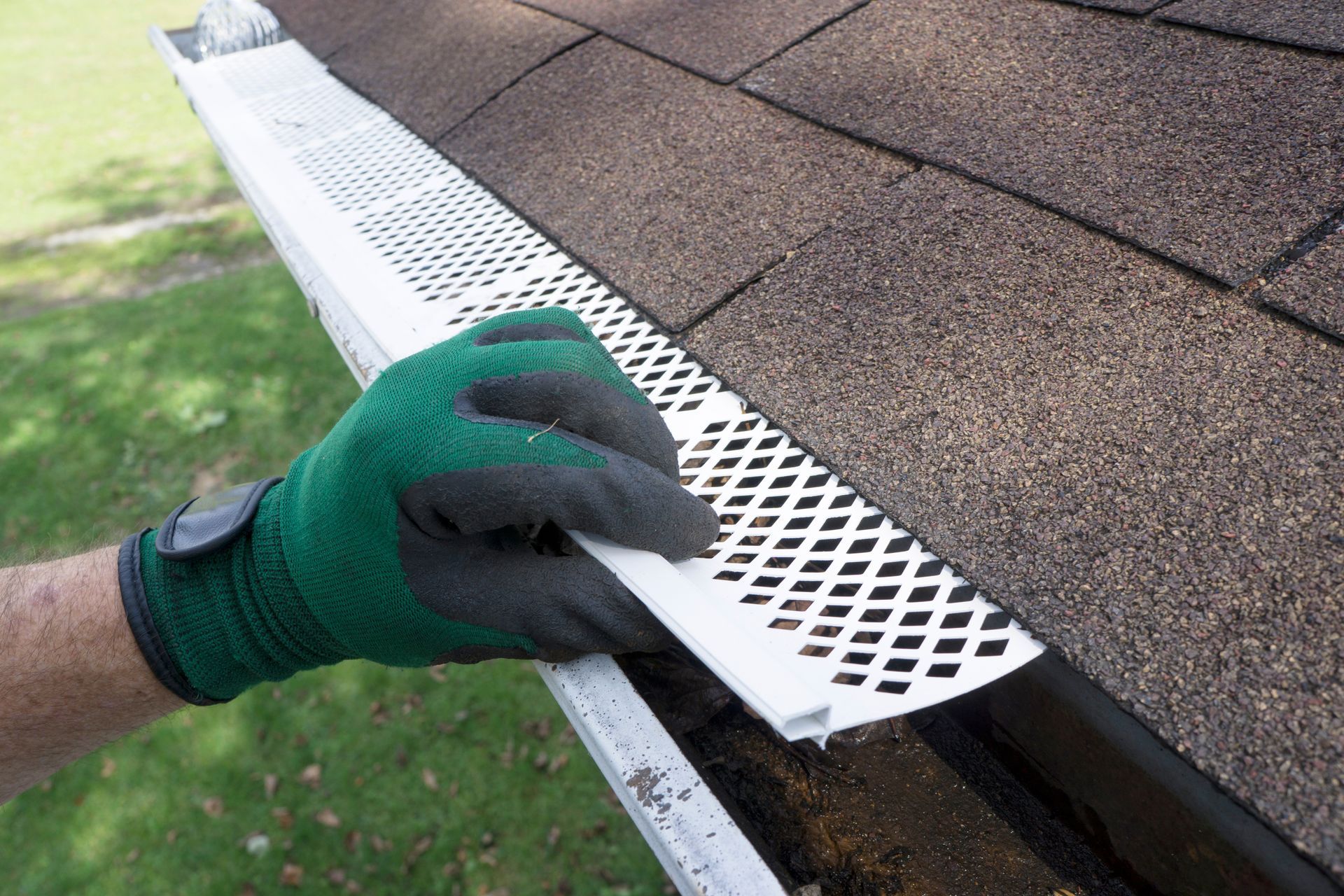
  • Install Gutter Guards: Investing in gutter guards can help keep debris out while allowing rainwater to flow freely. Gutter guards can significantly reduce the frequency of cleaning and maintenance required.
  • Trim Overhanging Branches: Regularly trim branches near your gutters to minimize the amount of organic material that falls into them. This simple step can drastically reduce the amount of debris that accumulates in your gutters.
  • Monitor for Damage: Regularly inspect your gutters for any signs of damage, such as rust, cracks, or sagging sections. Addressing these issues early can prevent larger problems later.


In addition to these proactive maintenance strategies, it’s important to consider the role of professional services in gutter care. Many homeowners prefer a hands-off approach and opt to hire experts for thorough cleaning and inspection. Professional services can provide peace of mind, ensuring that gutters are functioning optimally and that potential issues are identified early.


Summer may be a time for relaxation and enjoyment, but it also presents unique challenges for gutter maintenance.
Keeping gutters clear of debris and ensuring proper water flow can prevent serious damage and costly repairs. By being proactive and prioritizing gutter maintenance during the summer months, homeowners can protect their homes from the risks associated with clogged gutters.


For reliable gutter solutions and to learn more about protecting your home this summer, contact Gutter Helmet of Denver at 303-298-8888 or visit gutterhelmetdenver.com. Ensure your gutters are ready for whatever summer brings!

You might also like
Gutter Helmet installer working on a Denver roof edge to install Helmet Heat heated gutter guards
By Erika Ray • November 10, 2026
Energy efficient heated gutters: what Helmet Heat costs to run on a Denver home. Gutter Helmet of Denver, (303) 298-8888.
gutters with a gutter guard
By Erika Ray • October 27, 2026
It is one of the most common questions we get, and it comes from a reasonable place. If a gutter cover is doing the work of keeping water moving and debris out, why keep the gutter underneath it at all? The short answer: yes, you absolutely still need gutters. Gutter Helmet is a cover that installs onto an existing gutter system. It is not a substitute for one. Without a gutter beneath it, there is nothing to catch the water it redirects and nothing to carry that water to a downspout. That answer usually raises a better question, which is what the two components actually do and why the distinction matters when you are budgeting a project. Gutter Helmet of Denver installs both, so here is the straightforward explanation. Gutters and gutter covers do two different jobs Think of it as a collection system and a filtration problem. The gutter is the collection system. It is the trough that catches roof runoff and the downspout network that moves it away from your foundation. Every function people care about, keeping water off siding, away from window wells, and out of the basement, depends on that trough existing and having capacity. The cover solves a separate problem: debris getting into the trough and blocking it. A cover does not collect or transport water on its own. It sits on top of the collection system and controls what gets in. Remove the gutter and you remove the collection system entirely. The cover would simply be a decorative strip along your roof edge while water fell straight to the ground at the drip line, which is the exact condition gutters were invented to prevent. Why this matters more in Colorado than most places Front Range soils make the collection half of the equation especially important. Much of the Denver metro sits on expansive clay. Clay soil swells when it absorbs water and shrinks when it dries, and that movement transfers directly to whatever is sitting on it, including your foundation. Concentrated roof runoff landing in the same spot repeatedly is one of the more effective ways to create that cycle. Our region also produces sudden volume. A summer monsoon cell can drop a lot of water in a short window, and spring snowmelt can run for days. Both scenarios need somewhere for water to go, which means a correctly sized trough and enough downspouts. A cover has no influence on either of those things. What Gutter Helmet actually adds If gutters do the collecting, the cover earns its place by protecting that capacity. A clogged gutter is a gutter with no usable capacity. Once debris fills the trough, water backs up, spills over the front edge, and lands exactly where an uncovered roof edge would have dropped it. You still have gutters, but functionally you are back to having none. Gutter Helmet uses a solid surface with a curved nose and a narrow opening underneath. Water follows the curve into the gutter through surface tension. Leaves, needles, and grit keep going and fall clear. There is no screen and no mesh, so there is nothing for debris to embed in. Our overview of how the system works differently from other guards walks through that mechanism in more detail. The practical benefit is that the gutter you already paid for keeps working at full capacity through the seasons when it matters most, rather than filling with cottonwood in June and pine needles in October. You can see what happens when that capacity is lost in our breakdown of how overflow and clogs damage a home . Do your existing gutters need replacing first? This comes up on most estimates, and the honest answer is that it depends on three things. Condition. Sagging sections, separated seams, rusted areas, or gutters pulling away from the fascia need to be addressed. Installing a cover over a failing gutter preserves the failure. Size. If your gutters were undersized for the roof area draining into them, a cover will not fix overflow. Some Denver homes were built with 5-inch gutters on roof areas that really call for more capacity. Our guide to choosing the right gutter size covers how that calculation works. Pitch. Gutters need a slight slope toward the downspout. Runs that have settled flat or backward will hold standing water regardless of what sits on top. In many cases, existing gutters are in good shape and only need minor correction before a cover goes on. In others, replacing the gutters and adding protection at the same time is more economical than doing them separately, because the labor overlaps. A site visit is the only reliable way to tell which situation you are in. Our gutter services page explains what a replacement involves. What about going without gutters entirely? A small number of homes are designed without them, usually with a rain chain, a French drain system, or a wide overhang paired with engineered grading. These are deliberate architectural decisions made at the design stage with drainage engineered around them. Removing gutters from a home that was built with them is a different proposition. The grading, the foundation depth, and the landscaping were all planned around water being collected and discharged at specific points. Taking that away tends to reveal problems that the gutters were quietly preventing. Frequently asked questions Can Gutter Helmet be installed without gutters? No. It is a cover designed to mount onto an existing gutter system. There must be a gutter and downspout network underneath it to collect and carry water away. Does Gutter Helmet replace my gutters? No, it protects them. If your current gutters are sound, the cover installs onto them. If they are damaged or undersized, they are typically replaced or repaired first, then covered. Will I still need to clean my gutters after installation? The system is designed to keep debris out so routine cleaning is not required. Downspouts and the roof surface above the gutter may still need occasional attention depending on your tree cover. Do gutter guards work on old gutters? They can, provided the gutters are structurally sound, properly pitched, and correctly sized. An installer should evaluate all three before quoting a cover. Is it cheaper to install gutters and a cover at the same time? Often yes, because the crew is already on site and working at the roof edge. If replacement is likely within a few years, combining the work usually costs less than sequencing it. The simple version Gutters catch and carry water. A cover keeps the gutter clear so it can keep doing that. You need both, and the cover is only as effective as the system underneath it. If you are not sure whether your current gutters are worth covering or worth replacing, that is a quick thing to determine on site. Get in touch and we will take a look at the condition, sizing, and pitch before recommending anything.
gutter guards
By Erika Ray • October 13, 2026
Gutter guards for steep roofs in Colorado. How Gutter Helmet of Denver fits valleys, dormers and steep Denver rooflines. (303) 298-8888.

Request a Free Gutter Helmet Quote Today