
How High Winds in Colorado Fill Gutters with Debris
June 23, 2026
debris and clogged drain

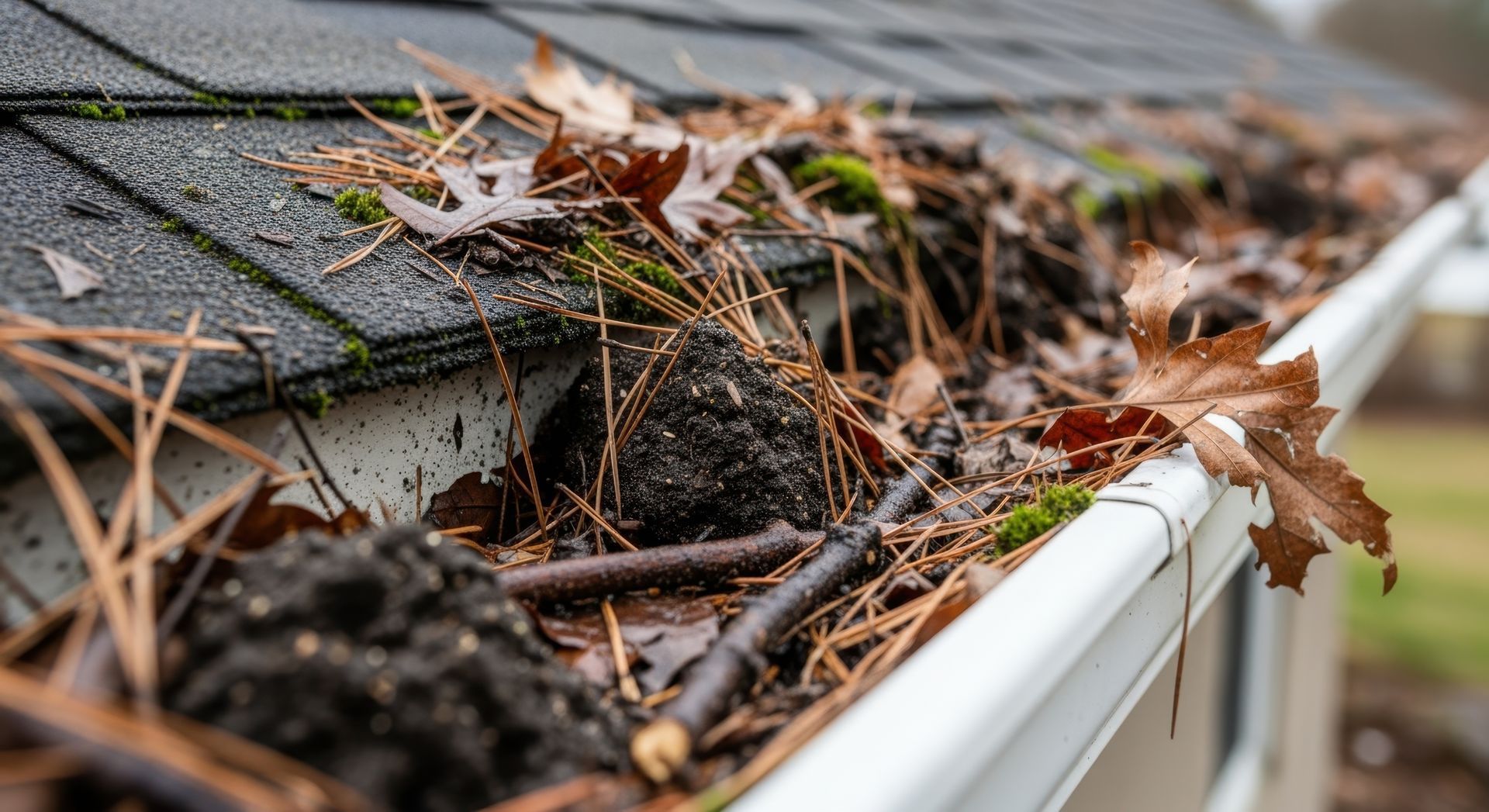
Colorado’s weather is known for sudden shifts, dramatic storms, and powerful seasonal winds. In the Denver metro area and along the Front Range, strong winds frequently sweep through neighborhoods during the spring and summer months. While these gusts can bring cooler temperatures and incoming storms, they also carry a hidden problem for homeowners: wind-driven debris filling gutters.


Leaves, pine needles, small twigs, seed pods, and roof grit can all be blown onto rooftops during high-wind events. Once this debris settles on the roof surface, rainstorms quickly wash it into gutters. When gutters become clogged, water cannot flow properly through the drainage system. This leads to overflow, potential roofline damage, and water pooling near the home’s foundation.


For many Colorado homeowners, installing gutter guards designed for high-wind environments is one of the most effective ways to keep gutters clear and ensure proper water flow during storms.

Understanding how wind affects gutters—and how gutter guards help protect drainage systems—can help homeowners prevent costly maintenance issues before they start.


Why Colorado Winds Cause Gutter Problems

The Front Range experiences frequent wind events throughout the year. In many areas around Denver, wind gusts can exceed 40–60 miles per hour, especially during spring weather shifts and summer thunderstorms.

These strong winds move debris across neighborhoods and rooftops in several ways. Pine needles from nearby trees, dry leaves from landscaping, and dust from surrounding areas can all be lifted into the air and deposited onto roofs.


Once debris lands on a roof, gravity and rainfall carry it downward toward the gutter system.


Some of the most common debris sources during windy conditions include:

  • Pine needles from evergreen trees are common throughout Colorado neighborhoods
  • Small branches and twigs broken loose during storms
  • Leaves and plant debris from nearby landscaping

Because winds can distribute debris across large areas, homes without nearby trees may still experience gutter clogs after windstorms.


How Wind-Driven Debris Clogs Gutters

When wind carries debris onto a roof, it tends to accumulate in certain areas before reaching the gutters. Roof valleys, corners, and low points often collect leaves and needles first.

As rain begins to fall, water pushes this debris toward the roof edge and into the gutters. Over time, the debris builds up inside the gutter channel.


Once the gutter begins to fill with debris, water flow becomes restricted. During heavier storms, rainwater may not be able to pass through the clogged sections quickly enough.


This leads to gutter overflow, which allows water to spill over the sides of the gutter and fall directly beside the home.

When this happens repeatedly, homeowners may experience several issues:

  • Soil erosion near the foundation
  • Water damage to siding or fascia boards
  • Increased risk of basement moisture problems

Properly functioning gutters are designed to prevent these issues, but they can only do their job when they remain free of debris.


Why Wind Makes Gutter Maintenance Difficult

In regions with frequent wind events, keeping gutters clean can be challenging. Even if gutters are cleaned regularly, the next windstorm can quickly refill them with debris.

Homes located near open spaces, foothill areas, or mature tree neighborhoods often experience the highest debris levels after windy weather.


For homeowners who try to manage gutter maintenance themselves, this can mean climbing ladders multiple times throughout the year to remove leaves, needles, and twigs.

In addition to being time-consuming, frequent gutter cleaning can pose safety risks, particularly for multi-story homes.


Because of these challenges, many Colorado homeowners look for long-term solutions that help prevent debris buildup in the first place.


How Gutter Guards Protect Gutters During Windy Conditions

Gutter guards are protective systems installed over the top of gutters to block debris while allowing rainwater to enter the drainage channel.

When wind blows debris onto the roof, gutter guards help stop it from entering the gutter system. Instead of falling into the gutter channel, leaves and pine needles typically remain on top of the guard where wind or rain can move them away.


This protective barrier allows water to continue flowing freely through the gutter and downspout system.

Modern gutter guard systems use designs such as micro-mesh filters or surface-tension technology to maintain efficient drainage even during heavy storms.


These systems help prevent debris from accumulating inside the gutter, which improves water flow and reduces the risk of overflow.


Benefits of Gutter Guards in High-Wind Areas

Homes located in windy regions of Colorado often benefit greatly from gutter guard installation. By preventing debris buildup, gutter guards help maintain consistent drainage performance throughout the year.


Some key advantages include:

  • Reduced debris accumulation during windstorms
  • Improved water flow during rain and snowmelt
  • Less frequent gutter cleaning and maintenance

By keeping gutters clear, gutter guards also help protect the structural components of the home. Proper drainage reduces the likelihood of water pooling near the foundation or damaging roof edges.


For homes surrounded by trees or exposed to strong winds, these benefits can make gutter guards a valuable long-term investment.


Why Professional Installation Matters

Although some gutter guards are marketed as simple DIY products, professional installation often delivers better results. Experienced installers evaluate the slope of the roof, the angle of the gutters, and the positioning of downspouts to ensure the system performs effectively during storms.


Colorado’s climate presents unique challenges that require durable materials and precise installation techniques. Wind-driven rain, heavy snow, and freezing temperatures can all affect gutter performance.

A professionally installed gutter guard system ensures that water continues to flow efficiently even when weather conditions become severe.


Maintaining Your Gutter System

Even with gutter guards installed, homeowners should occasionally inspect their gutter system to ensure everything remains in good condition. Checking that downspouts remain clear and confirming that water flows away from the foundation during storms helps prevent drainage issues.


In most cases, debris that lands on top of gutter guards naturally blows away during windy conditions or washes off during rain.

Routine inspections combined with gutter protection help ensure long-term drainage performance.


Frequently Asked Questions About Gutter Guards and High Winds

Can high winds really clog gutters?

Yes. Strong winds can carry leaves, pine needles, and twigs onto rooftops, where rain eventually washes them into gutters and causes blockages.


Do gutter guards work in windy areas?

High-quality gutter guards are designed to prevent wind-blown debris from entering gutters while still allowing rainwater to flow through the system.


Are gutter guards useful even if my home doesn’t have trees?

Yes. Wind can carry debris from nearby trees or landscaping, meaning homes without trees can still experience clogged gutters.


Will gutter guards reduce the need for cleaning?

Gutter guards significantly reduce debris buildup, which means gutters typically require far less cleaning.


When should homeowners install gutter guards?

Many homeowners choose to install gutter guards before storm seasons or during routine gutter replacement projects.


Protecting Your Gutters from Colorado’s Windy Weather

Colorado’s strong seasonal winds can quickly fill gutters with debris, especially during spring and summer storms. When gutters become clogged, rainwater cannot flow properly, increasing the risk of overflow and potential water damage around the home.

Installing gutter guards designed for Colorado wind conditions helps prevent debris from entering the gutter system while maintaining efficient drainage during storms. By reducing clogs and improving water flow, gutter guards help protect the roofline, siding, and foundation.


Gutter Helmet of Denver provides durable gutter protection systems designed to perform in Colorado’s challenging weather conditions. With professional installation and advanced gutter guard technology, homeowners can enjoy cleaner gutters, improved drainage, and greater peace of mind throughout the year.

You might also like
Gutter guards for pine needles
By Erika Ray June 9, 2026
Gutter guards for pine needles protect Denver foothills homes. Call Gutter Helmet of Denver at 303-298-8888 for a free consultation today!
Stop spring rain damage with Gutter Helmet
By Erika Ray May 19, 2026
Stop spring rain damage with Gutter Helmet. Our guards prevent clogs and overflow during Denver storms. Get your free quote in Denver today!
By Erika Ray May 5, 2026
Denver homeowners are no strangers to severe weather. Each spring and summer, powerful thunderstorms roll across the Front Range, bringing heavy rain, strong winds, and frequent hailstorms . In fact, Colorado consistently ranks among the states with the highest number of hail events each year. While most people think about roof damage after a hailstorm, gutters are also highly vulnerable to impact damage. When hailstones strike a home, gutters often take a direct hit along the roofline. Repeated impacts can dent aluminum gutters , loosen fasteners, or disrupt proper water flow. Over time, damaged gutters may struggle to drain water efficiently, increasing the risk of overflow and water damage around the home. For many homeowners, installing durable gutter guard systems provides an additional layer of protection. While gutter guards are primarily designed to keep debris out of gutters, certain systems can also help reduce the impact of hail on the gutter channel itself. Understanding how hail affects gutters and how protective systems work can help Denver homeowners better prepare for storm season. Why Hail Is a Major Concern for Denver Gutters Denver’s location along the eastern slope of the Rocky Mountains creates ideal conditions for hail-producing storms. Rapidly rising warm air and cold upper-level temperatures allow large hailstones to form inside strong thunderstorms. When these storms pass through residential areas, hailstones can strike roofs, siding, windows, and gutter systems with significant force. Even moderate-sized hail can damage gutters because they are typically made from lightweight metals such as aluminum. Gutters run along the edge of the roofline, leaving them fully exposed during a hailstorm. Unlike roofing materials that are designed to withstand impact, many gutter systems are thinner and more susceptible to denting or bending. Common ways hailstorms damage gutters include: Denting the gutter channel and reducing water capacity Loosening brackets or fasteners that hold gutters in place Creating weak points where leaks can develop Even if the damage appears minor, dented gutters can disrupt proper drainage and lead to overflow during heavy rain or snowmelt. How Hail Damage Affects Gutter Performance A properly functioning gutter system is designed to channel water from the roof into downspouts and away from the home’s foundation. When hail dents the gutter channel, it may create low spots where water collects instead of flowing smoothly toward the downspout. Standing water inside gutters can lead to several problems. Over time, debris may accumulate in these low areas, increasing the likelihood of clogs. Water that remains trapped inside the gutter can also accelerate corrosion and reduce the lifespan of the system. In severe cases, hail impacts may bend sections of the gutter out of alignment. When this happens, the slope of the gutter changes, and water may begin to overflow along the roofline. Because Denver frequently experiences multiple hailstorms each year, small amounts of damage can accumulate over time and gradually reduce the efficiency of the drainage system. How Gutter Guards Provide Additional Protection Gutter guards are typically installed over the top of gutters to prevent leaves, pine needles, and debris from entering the drainage channel. However, certain high-quality gutter guard systems also add structural reinforcement to the gutter itself. Many advanced systems use rigid metal covers or micro-mesh materials that sit securely across the top of the gutter. These covers can help absorb or distribute the force of hail impacts before they reach the gutter channel. While gutter guards are not designed to eliminate all storm damage, they can reduce the likelihood of direct hail strikes hitting the interior of the gutter. In some cases, the added structure of the guard system helps prevent the gutter from bending or deforming. Homeowners may notice several advantages when durable gutter guards are installed: Reduced debris buildup that can worsen hail-related drainage issues Added structural support across the top of the gutter Improved water flow even after severe weather events Because the gutter channel remains protected and debris-free, the drainage system can continue functioning properly during heavy rainstorms that often follow hail events. Choosing Hail-Resistant Gutter Guard Systems Not all gutter guards provide the same level of durability. In areas like Denver where hailstorms are common, selecting a strong and professionally installed gutter guard system is important. High-quality gutter protection systems are typically constructed from durable metals such as aluminum or stainless steel. These materials are designed to resist corrosion and withstand harsh weather conditions. Homeowners should look for gutter guard systems that feature: Rigid metal construction capable of handling impact Secure mounting that attaches firmly to the gutter system Designs that maintain strong water flow during heavy storms A properly engineered system should integrate with the existing gutter structure and reinforce the overall drainage system rather than weakening it. Professional installers can also ensure that the gutter guard system fits properly along the roofline and maintains the correct slope for water flow. Additional Ways to Protect Gutters from Hail While gutter guards can help reduce certain types of storm damage, homeowners should also consider additional steps to protect their gutter systems. Routine inspections after major storms can help identify dents, loose brackets, or other issues before they worsen. Small repairs made early can prevent larger drainage problems later. Homeowners may also benefit from installing heavy-duty gutter systems designed to withstand extreme weather conditions. Some upgraded gutters feature thicker metal construction that provides additional durability during hailstorms. Keeping gutters free of debris is another important step. When gutters are already clogged, hail and heavy rain can cause overflow more quickly. Combining durable gutters with high-quality gutter guards provides one of the most effective ways to prepare for Denver’s storm season. Why Denver Homes Benefit from Storm-Ready Gutter Protection Because Denver experiences frequent hailstorms each year, homeowners must ensure their homes are prepared for sudden severe weather. Gutters play a crucial role in protecting the roofline, siding, and foundation from water damage. When gutters become dented, clogged, or misaligned after storms, water may overflow and collect around the base of the home. Over time, this can lead to soil erosion, foundation moisture problems, and basement leaks. Installing durable gutter guard systems helps homeowners maintain proper drainage even during challenging weather conditions. By preventing debris buildup and reinforcing the gutter structure, these systems help keep water flowing away from the home when it matters most. Frequently Asked Questions About Gutter Guards and Hail Protection Can hail damage gutters? Yes. Hailstones can dent aluminum gutters, loosen mounting brackets, and disrupt the slope needed for proper drainage. Do gutter guards protect gutters from hail? While they cannot prevent all damage, durable gutter guard systems can help distribute the force of hail impacts and protect the gutter channel. Are some gutter guards more hail-resistant than others? Yes. Metal systems with rigid covers or stainless steel mesh tend to provide greater durability during severe storms. Should gutters be inspected after a hailstorm? Yes. Inspecting gutters after major storms helps identify dents, loose sections, or drainage problems before they worsen. Are gutter guards a good investment for Denver homes? Because Denver experiences frequent hailstorms and heavy debris buildup, gutter guards can help improve drainage performance and reduce maintenance. Preparing Your Gutters for Denver Storm Season Hailstorms are a regular part of life in Denver, and protecting your home from storm damage requires proactive planning. While roofs often receive the most attention after severe weather, gutters also play a critical role in managing water runoff and protecting the home’s foundation. Installing durable gutter guards can help reduce debris buildup, reinforce the gutter system, and improve drainage performance during heavy rain and hail events. By ensuring that water flows freely through the gutter system, homeowners can reduce the risk of overflow and long-term water damage. Gutter Helmet of Denver specializes in advanced gutter protection systems designed to withstand Colorado’s challenging weather conditions. With professionally installed gutter guards , homeowners can prepare their drainage systems for hailstorms, heavy rain, and seasonal debris while reducing the need for frequent gutter maintenance. 

Request a Free Gutter Helmet Quote Today