DIY Gutter Cleaning Risks: Why It’s Not Worth It

Every fall in Denver, homeowners grab their ladders, gloves, and buckets to clear out their gutters. It’s a familiar ritual—one that might seem simple and cost-saving. But what many don’t realize is that DIY gutter cleaning is among the most dangerous and least efficient home maintenance tasks you can take on.
While it may look like an easy way to save a few dollars, the risks—from serious injuries to long-term property damage—can quickly outweigh any perceived savings. That’s why professionals and home safety experts strongly recommend avoiding the DIY route and investing instead in lasting solutions like Gutter Helmet of Denver, which permanently eliminates the need for manual gutter cleaning.
This guide explores the hidden dangers, costs, and consequences of DIY gutter cleaning and explains why a professional, maintenance-free gutter guard system is the safer and smarter choice for homeowners.
Why Gutters Need Regular Cleaning
Gutters are designed to capture and redirect rainwater away from your home’s roof, siding, and foundation. When they become clogged with leaves, twigs, and debris—especially during Colorado’s heavy fall and spring seasons—water flow stops, leading to:
- Overflowing gutters that damage fascia boards and siding.
- Basement leaks and foundation cracks are caused by poor drainage.
- Ice dams during winter that back up water under shingles.
- Mold growth along exterior walls and rooflines.
- Pest infestations, including birds, mosquitoes, and rodents.
In Denver, where cottonwood fluff, pine needles, and storm debris frequently clog gutters, cleaning them regularly is essential. But how you clean them—and who does the cleaning—can make all the difference in safety and effectiveness.
The Real Dangers of DIY Gutter Cleaning
Climbing a ladder with tools, debris, and water around is more hazardous than most homeowners realize. According to the U.S. Consumer Product Safety Commission, over 160,000 people are injured each year in ladder-related accidents, many of which occur during simple household tasks like gutter cleaning.
1. Ladder Falls and Serious Injuries
Falls are the number one cause of injury among homeowners attempting gutter cleaning. A misplaced step, uneven ground, or a sudden gust of Colorado wind can cause a ladder to shift. Even from a single-story roofline, falls can lead to:
- Broken bones or fractures
- Head trauma or concussions
- Long-term back or spinal injuries
For two- or three-story homes, the risk is even greater, especially when attempting to reach steep or uneven rooflines.
2. Electrical Hazards
Many homes have power lines near the roofline or behind gutters. Contact with a live wire while holding metal tools or using a conductive ladder can result in electrocution. Even indirect contact—like handling wet debris near wires—can pose serious electrical risks.
3. Health and Hygiene Concerns
Decaying organic matter in gutters attracts bacteria, fungi, and mold. Homeowners who clean gutters without proper protective gear risk exposure to allergens and harmful spores. Animal nests and droppings can also transmit diseases like histoplasmosis.
4. Roof and Gutter Damage
DIY cleaning often involves makeshift tools such as metal scrapers or pressure washers. These can scratch or dent aluminum gutters, dislodge gutter seams, or loosen roof shingles. Over time, improper cleaning techniques cause leaks and drainage inefficiencies that can cost far more than a professional service.
5. Incomplete Cleaning
Even after hours of work, homeowners often miss blockages in downspouts or hidden roof valleys. Without professional inspection and maintenance, debris left behind can create recurring clogs that lead to overflowing gutters with the next storm.
6. Short-Term Fix, Long-Term Expense
While DIY cleaning might save $150–$300 in the short term, it’s a temporary fix. Without protection, gutters can clog again within weeks. Repeat cleanings, combined with potential damage or medical costs from an accident, make DIY efforts far more expensive than they appear.
The Hidden Costs of DIY Gutter Cleaning
1. Time Investment
A single cleaning session can take several hours—longer for large or multi-story homes. For older homeowners, this process is not only exhausting but risky to repeat multiple times a year.
2. Equipment Expenses
Even with a do-it-yourself approach, you’ll need to invest in:
- A sturdy ladder (around $200–$300)
- Gloves, buckets, and scoops ($50+)
- Hose attachments or gutter cleaning kits ($75–$100)
- Safety gear like goggles and harnesses ($100+)
When you add these expenses to your time and risk, the total cost rivals or exceeds hiring a professional cleaner, without delivering the same results.
3. Repair Costs from Mistakes
Improper ladder placement, overreaching, or using high-pressure water can easily damage gutters or downspouts. Repairs often cost $5–$10 per linear foot, not including potential roof damage if shingles are lifted during cleaning.
4. Potential Medical Costs
Injuries from falls or exposure to hazardous materials can result in emergency room visits or physical therapy. Even a minor fall can cost thousands in medical bills, turning a “simple cleaning” into a long-term financial burden.
Why Professional Gutter Protection Is Safer
Hiring professionals or investing in a permanent gutter protection system eliminates the hazards of DIY cleaning while providing consistent, long-term performance.
1. Expert Safety Practices
Professionals use stable ladders, safety harnesses, and protective gear designed for roofline work. They are trained to inspect, clean, and repair gutters efficiently without risking injury or damage.
2. Advanced Equipment
Professional installers have access to tools that homeowners don’t—such as specialized vacuum systems, high-reach extensions, and inspection cameras. This ensures every section of your gutter system is thoroughly cleared and functioning properly.
3. Preventive Maintenance
Certified technicians can identify early warning signs like rust, sagging, or leaks that most homeowners overlook. Addressing these problems early helps prevent costly structural damage later.
4. Permanent Solutions with Gutter Helmet
Instead of repeatedly cleaning gutters, homeowners in Denver are turning to Gutter Helmet, the permanent solution to gutter maintenance.
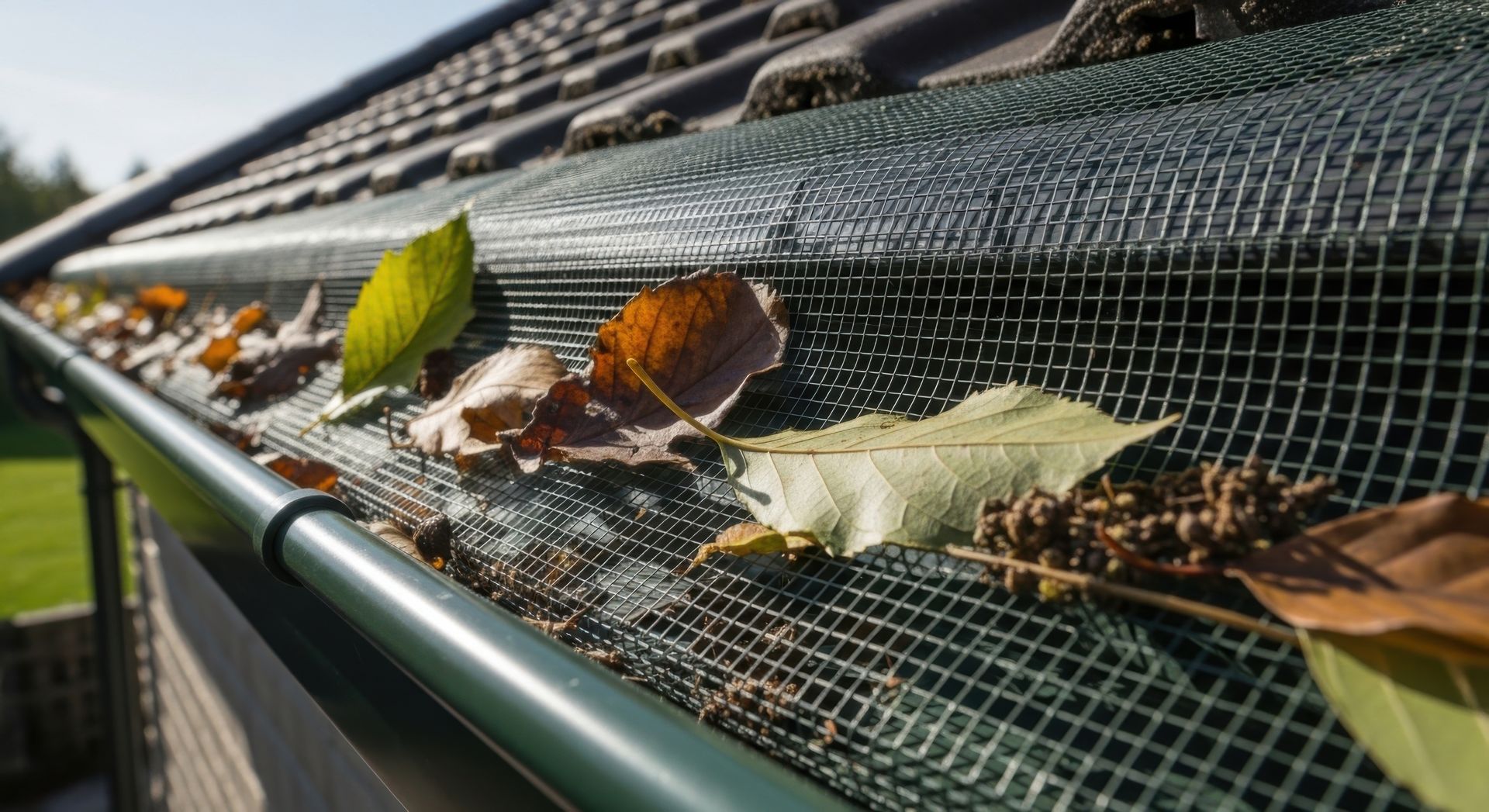
Gutter Helmet uses a reverse curve design that allows water to flow into the gutter while keeping out leaves, pine needles, and debris. This innovative technology ensures that gutters stay clog-free year-round—without the need for ladders, scooping, or seasonal maintenance.
By using surface tension to guide rainwater into the gutter and shed debris away, Gutter Helmet eliminates both the risks and recurring costs of cleaning altogether.
Why Gutter Helmet of Denver Is the Smarter Choice
Gutter Helmet of Denver has helped thousands of Colorado homeowners replace risky DIY maintenance with a long-term, worry-free solution. Each system is custom-fit to your home’s existing gutters and engineered to withstand the region’s demanding weather conditions—from summer downpours to winter ice buildup.
Benefits of Choosing Gutter Helmet:
- No More Cleaning: The system permanently prevents clogs and blockages.
- Weather-Resistant Design: Handles heavy rain, snow, and hail without bending or clogging.
- Protects Against Foundation and Roof Damage: Keeps water flowing away from your home.
- Increases Safety: Eliminates the need for ladders, reducing fall risks.
- Built to Last: Made from durable, high-quality aluminum with a textured surface for optimal water flow.
Instead of climbing ladders or hiring seasonal cleaners, Gutter Helmet gives homeowners permanent peace of mind.
Frequently Asked Questions About Gutter Helmet and Safety
Is it ever safe to clean gutters yourself?
While it’s possible, it’s rarely recommended. Unless you have professional-grade safety gear and ladder experience, the risks far outweigh the benefits.
How often should gutters be cleaned in Denver?
Most homes require cleaning at least twice a year—once in spring and once in fall. Homes surrounded by trees may need more frequent attention, which makes a gutter protection system like Gutter Helmet much more practical.
What if my gutters are already damaged from DIY cleaning?
Gutter Helmet of Denver can inspect your system and repair minor damage before installing protective covers. In many cases, you can keep your existing gutters once they’re restored.
Does Gutter Helmet handle pine needles and snow?
Yes. Its patented reverse curve design directs water into the gutter while deflecting fine debris and snowmelt. It’s specifically engineered for Colorado’s challenging climate.
Is Gutter Helmet better than hiring seasonal cleaners?
Absolutely. Seasonal cleaning is a recurring expense and a temporary fix. Gutter Helmet eliminates that cost permanently and provides year-round protection.
Will installing Gutter Helmet affect my roof or shingles?
No. Gutter Helmet is designed to fit seamlessly under the roofline without damaging shingles or voiding roof warranties.
Can I install Gutter Helmet myself?
No. The system must be professionally installed to ensure proper alignment, slope, and performance. The Gutter Helmet of Denver team is factory-trained and certified to guarantee precise installation.
The Safer, Smarter Solution for Denver Homeowners
For homeowners who still believe DIY gutter cleaning saves money, it’s important to look at the full picture—time, risk, and recurring maintenance costs. What may seem like a weekend project can lead to long-term damage or injury.
By investing in a Gutter Helmet system, you eliminate those risks entirely. It’s not just about convenience—it’s about protecting your home and your health.
Stop climbing ladders and start protecting your investment.
Contact
Gutter Helmet of Denver today for a free in-home evaluation and discover how a permanent gutter protection system can keep your home safe, your gutters clean, and your feet on the ground.
You might also like