Helmet Heat vs. Heat Tape: Why Denver Homeowners Trust Helmet Heat for Safer, Smarter Ice Protection

Winter in Denver can be unpredictable—one day brings sunshine and melting snow, the next brings subzero temperatures and thick sheets of ice. For many homeowners, this means battling one of the most damaging and frustrating winter issues: ice dams. These frozen ridges along the roofline can cause leaks, warped shingles, and structural damage that often costs thousands to repair.
To combat ice dams, homeowners typically turn to two options: traditional heat tape or Helmet Heat, a cutting-edge, integrated heated gutter system developed by Gutter Helmet of Denver. While both solutions help manage ice, only one offers long-term protection, safety, and true efficiency built for Colorado’s extreme climate.
This guide takes an honest, in-depth look at Helmet Heat vs. traditional heat tape, explaining why Helmet Heat is the superior solution for Denver-area homeowners who want reliable performance without maintenance headaches or safety risks.
The Problem: Why Ice Dams Are Dangerous for Denver Homes
When snow accumulates on a roof, heat escaping from the attic melts the bottom layer of snow. The meltwater runs down to the eaves—where the roof is colder—and refreezes, forming an ice ridge known as an ice dam. This process repeats throughout the season, trapping water behind the dam and forcing it under shingles and into your attic or walls.
In a place like Denver, where temperatures regularly fluctuate between thawing days and freezing nights, this cycle happens repeatedly. The damage from ice dams can be severe and include:
- Roof leaks and interior water stains
- Damaged insulation and reduced energy efficiency
- Warped shingles and fascia boards
- Gutter separation or collapse from heavy ice weight
- Foundation damage caused by poor drainage
Preventing ice dams isn’t just about keeping your roof clear—it’s about maintaining a safe, efficient water management system year-round.
What Is Traditional Heat Tape?
Heat tape, also called de-icing cable, has been around for decades. It’s a simple concept: electric cables are attached to the roof’s edge or inside gutters to melt snow and ice.
While heat tape can offer temporary relief, it’s an outdated technology that struggles to perform reliably in harsh environments like Colorado’s Front Range.
How It Works
- Cables are laid in a zigzag pattern along roof edges or inside gutters.
- The system heats up when plugged in, melting some snow and ice directly underneath the wire.
This may sound straightforward—but in reality, heat tape leaves major gaps in both performance and safety.
The Problems with Traditional Heat Tape
- Limited Effectiveness: Heat tape melts only the small area it touches. Ice quickly forms around it, leaving dams and icicles intact.
- High Energy Consumption: Most systems run continuously, consuming large amounts of electricity regardless of outdoor conditions.
- Short Lifespan: Exposure to sun, snow, and debris causes cables to crack and deteriorate after just a few winters.
- Fire & Shock Hazards: Improper installation or frayed cables create electrical risks, particularly in wet environments.
- Unattractive Appearance: Exposed wires zigzag along your roofline, detracting from your home’s curb appeal.
Heat tape is often a band-aid solution—it provides minimal melting power, short-term reliability, and a long list of long-term headaches.
What Is Helmet Heat—and Why It’s Different
Helmet Heat, designed and installed by Gutter Helmet of Denver, is an advanced, integrated heated gutter protection system engineered for maximum efficiency and safety.
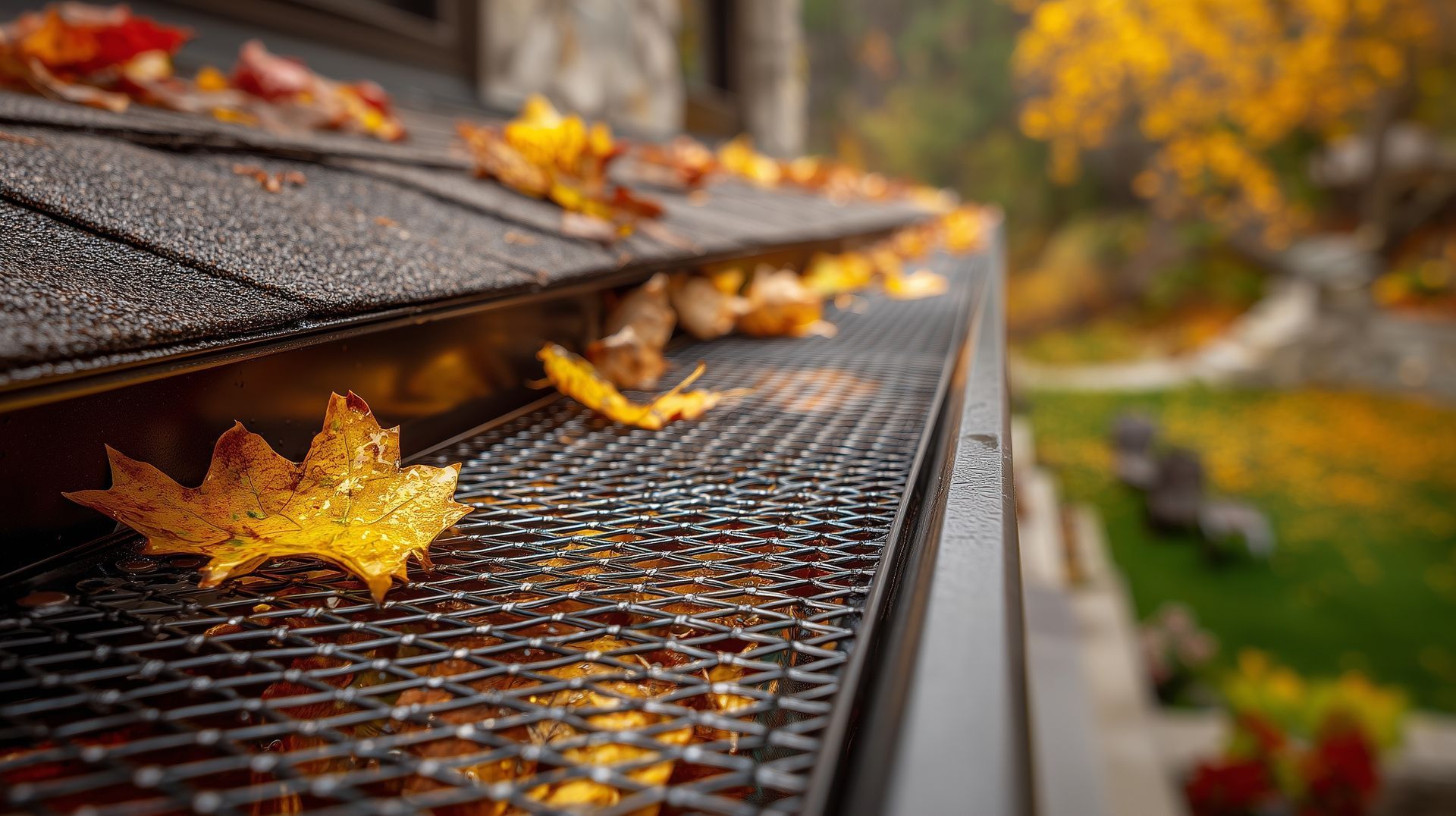
Unlike exposed heat tape, Helmet Heat works invisibly beneath your Gutter Helmet system, distributing heat evenly throughout the roofline and gutters. It’s the only all-in-one system that prevents both ice buildup and clogged gutters, delivering complete winter protection.
How Helmet Heat Works
Self-Regulating Heating Cable: The system automatically adjusts its heat output based on outdoor temperatures. It uses less power during mild weather and increases heat only when needed.
Concealed Installation: The heating element is safely installed under the Gutter Helmet cover, keeping it shielded from snow, moisture, and UV damage.
Even Distribution: The system warms the entire gutter and roof edge, preventing both ice dams and icicles from forming.
Continuous Drainage: Melted snow flows freely through the heated gutter channel and downspouts, protecting the foundation and roofline.
This advanced technology creates a completely sealed, weatherproof system that keeps your roof and gutters clear—even during Denver’s most brutal freeze-thaw cycles.
Helmet Heat vs. Heat Tape: Why Helmet Heat Wins Every Time
1. Safety
- Heat Tape: Prone to short circuits, overheating, and fire risks due to exposure and weather damage.
- Helmet Heat: Completely enclosed, self-regulating, and installed by licensed professionals. No exposed wires, no risk of electrical shock or overheating.
Winner: Helmet Heat—because safety should never be a compromise.
2. Efficiency and Cost Savings
- Heat Tape: Wastes energy by running constantly.
- Helmet Heat: Uses intelligent heating technology that activates only when temperatures demand it. This precision reduces power use and lowers monthly energy bills.
Winner: Helmet Heat—up to 40% more efficient and significantly cheaper to operate over time. Learn more about how Helmet Heat protects your home in winter.
3. Durability
- Heat Tape: Exposed to ice, sunlight, and debris, leading to failure within a few years.
- Helmet Heat: Protected beneath the Gutter Helmet system, ensuring long-term performance with virtually no maintenance.
Winner: Helmet Heat—built to last through decades of Colorado winters.
4. Performance in Colorado’s Climate
- Heat Tape: Struggles in Denver’s unpredictable freeze-thaw cycles, often leaving refrozen patches.
- Helmet Heat: Delivers consistent warmth to the entire drainage system, even when temperatures swing dramatically.
Winner: Helmet Heat—engineered specifically for Colorado weather.
5. Appearance
- Heat Tape: Visible wires and zigzag patterns create an unattractive roofline.
- Helmet Heat: Hidden beneath your Gutter Helmet cover, maintaining your home’s clean, finished appearance.
Winner: Helmet Heat—complete protection without sacrificing curb appeal.
6. Maintenance
- Heat Tape: Needs frequent inspections and replacement.
- Helmet Heat: Maintenance-free once installed; no cleaning, no reattaching cables, and no seasonal adjustments required.
Winner: Helmet Heat—set it and forget it.
Why Helmet Heat Is the Best Investment for Denver Homeowners
Denver’s winters are tough—and homeowners need a system that doesn’t just work, but works automatically, safely, and efficiently.
Helmet Heat provides a level of performance and reliability that traditional heat tape simply can’t match:
- Completely eliminates the need for roof shoveling or ice removal.
- Protects against both ice dams and gutter clogs—a two-in-one benefit.
- Reduces energy consumption thanks to self-regulating smart cable technology.
- Prevents roof leaks and damage, extending your home’s lifespan.
- Increases safety by stopping icicles and slippery runoff from forming.
- Operates invisibly, preserving your home’s aesthetic appeal year-round.
When combined with the Gutter Helmet system, Helmet Heat becomes a total winter protection package. You’ll never need to climb a ladder, chip away at ice, or worry about water seeping into your home again.
Frequently Asked Questions About Helmet Heat
Can I install Helmet Heat myself?
No. Helmet Heat requires professional installation by certified technicians from Gutter Helmet of Denver. DIY installation is not only unsafe—it can also compromise system performance and your home’s electrical safety.
How long does Helmet Heat last?
Helmet Heat is built for decades of performance. Its enclosed design shields components from moisture and UV damage, unlike heat tape, which deteriorates within a few years.
Will Helmet Heat affect my roof or gutter system?
No. Helmet Heat is designed to integrate seamlessly with your existing Gutter Helmet and gutter system. It installs without damaging shingles or voiding roof warranties.
Can Helmet Heat be added to existing Gutter Helmet systems?
Yes. Helmet Heat is fully compatible with existing Gutter Helmet installations. A technician can easily retrofit the heating element into your current setup.
Does Helmet Heat work during power outages?
Helmet Heat runs on standard home electricity, so it requires power to operate. However, because it’s highly efficient, it consumes very little energy compared to traditional systems—making backup generator operation feasible in extended outages.
Will Helmet Heat increase my energy bill?
Helmet Heat is designed with self-regulating technology, meaning it draws only the energy necessary to keep gutters clear. Homeowners typically see only a modest seasonal increase, far less than the cost of repairing ice damage.
Does Helmet Heat help prevent icicles too?
Yes. By maintaining consistent heat along the roof edge, Helmet Heat stops icicle formation and reduces dangerous dripping zones near walkways and entryways.
Is Helmet Heat visible from the ground?
No. Helmet Heat is completely concealed beneath the Gutter Helmet cover, keeping your roofline clean and unobstructed.
Is Helmet Heat safe for all roof types?
Yes. Whether your home has asphalt shingles, metal roofing, or tile, Helmet Heat can be safely installed without affecting materials or warranties.
The Long-Term Value of Helmet Heat
Traditional heat tape is a temporary fix—Helmet Heat is a permanent solution. While cheaper systems often fail after a few seasons, Helmet Heat provides lasting benefits that pay for themselves over time:
- Zero maintenance and replacement costs
- Lower electricity use and reduced carbon footprint
- No ice-related roof or gutter repairs
- Enhanced home safety and curb appeal
- Peace of mind every winter
When you factor in the savings from avoided repairs, reduced heating costs, and zero maintenance, Helmet Heat proves to be the most cost-effective and safest option for Denver homeowners.
Protect Your Home This Winter with Helmet Heat from Gutter Helmet of Denver
Colorado winters can be harsh—but your home doesn’t have to suffer because of them. With Helmet Heat from Gutter Helmet of Denver, you can say goodbye to ice dams, dangerous icicles, and frozen gutters for good.
Instead of wasting money and energy on outdated heat tape, invest in a smart, efficient, and long-lasting system that protects your home 24/7.
Don’t wait until ice damage occurs—schedule your free consultation with Gutter Helmet of Denver today and experience the comfort of knowing your home is protected by the most advanced heated gutter system available.
You might also like