Why Mountain Homes in Colorado Need Specialized Gutter Guards
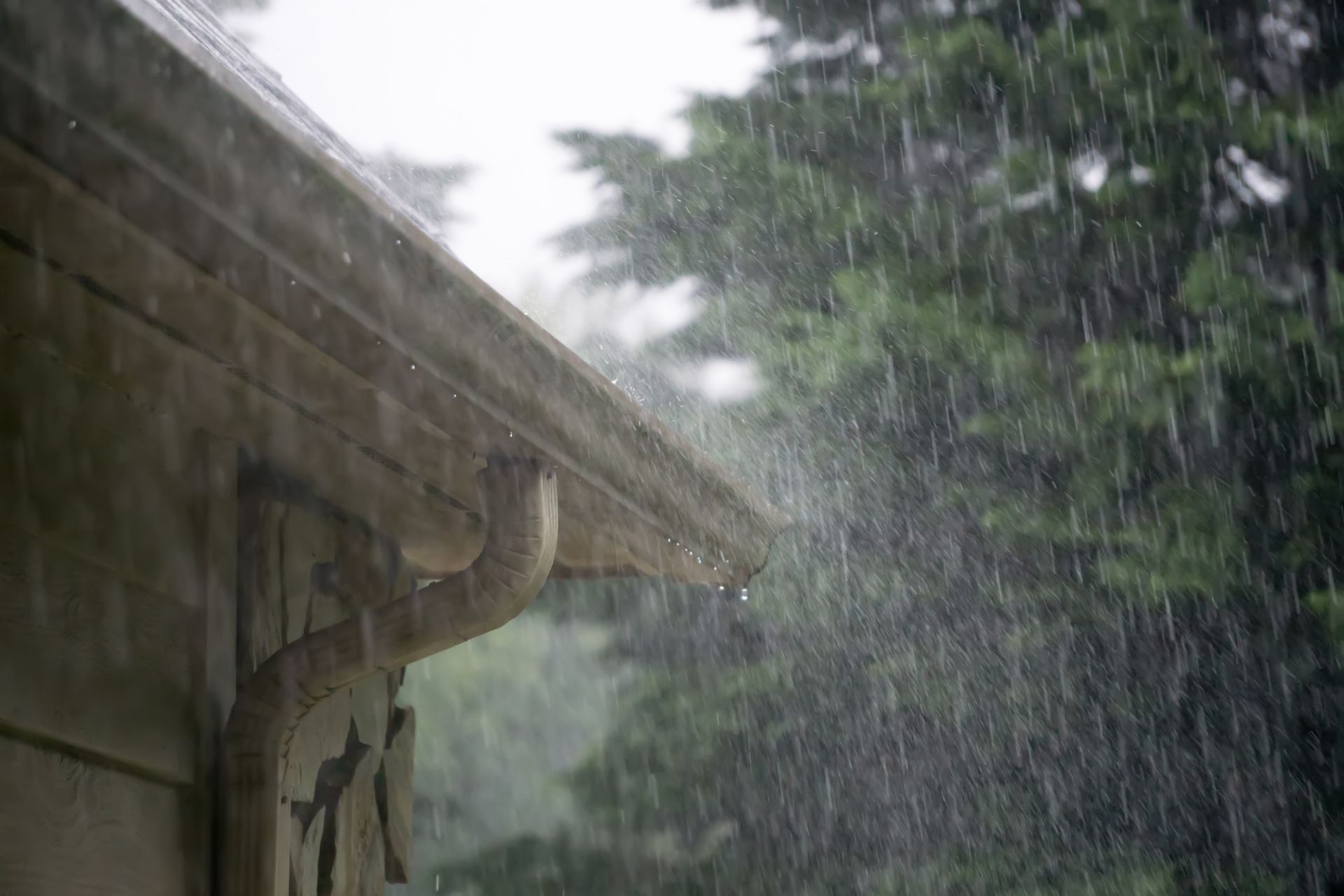
A standard Colorado Front Range afternoon in July can deliver two inches of rain in under thirty minutes. Now imagine that same storm hitting your home at 8,500 feet, where the watershed is steeper, the surrounding forest drops pine needles all summer, and the nearest service call is a winding hour-long mountain drive. Mountain homes face drainage challenges that flatland houses simply don't encounter.
For homeowners in communities like Evergreen, Conifer, Bailey, Estes Park, and Nederland, gutters aren't just a cosmetic consideration. They're a first line of defense against foundation erosion, fascia rot, basement flooding, and in severe wildfire seasons, ember intrusion. And the gutter guards designed for suburban neighborhoods often fail in these conditions entirely.
This guide breaks down exactly why mountain home drainage is different, what causes most gutter protection systems to fall short at altitude, and what a properly engineered system actually looks like in practice.
The Drainage Challenges Mountain Homes Face
Sudden, High-Intensity Summer Thunderstorms
Colorado's mountainous terrain creates what meteorologists call orographic lift. As warm, moist air rises over the Front Range foothills and peaks, it cools rapidly, condenses, and drops significant rainfall in a very short window. These aren't slow-moving soaking rains. They're explosive afternoon thunderstorms that can dump an inch or more in fifteen to twenty minutes.
For a mountain home with a moderately sized roof, say 2,000 square feet, that translates to over 1,200 gallons of water hitting the roof surface in under half an hour. If debris has narrowed the effective gutter capacity, overflow happens fast and the damage follows quickly. Clogged gutters create more damage than most homeowners realize, and the consequences compound quickly at elevation.
Most standard gutter guards are rated for rainfall events measured in gallons per hour, not gallons per fifteen minutes. That distinction matters enormously in Colorado mountain weather. It's also a big reason why summer is one of the worst times for gutter problems along the Front Range.
Pine Needle Accumulation and Gutter Clogging
Ponderosa pine, lodgepole pine, and Douglas fir surround most Colorado mountain properties. Unlike broad deciduous leaves that fall once per year, pine needles shed continuously through the growing season and compact into dense, moisture-retaining mats inside gutters.
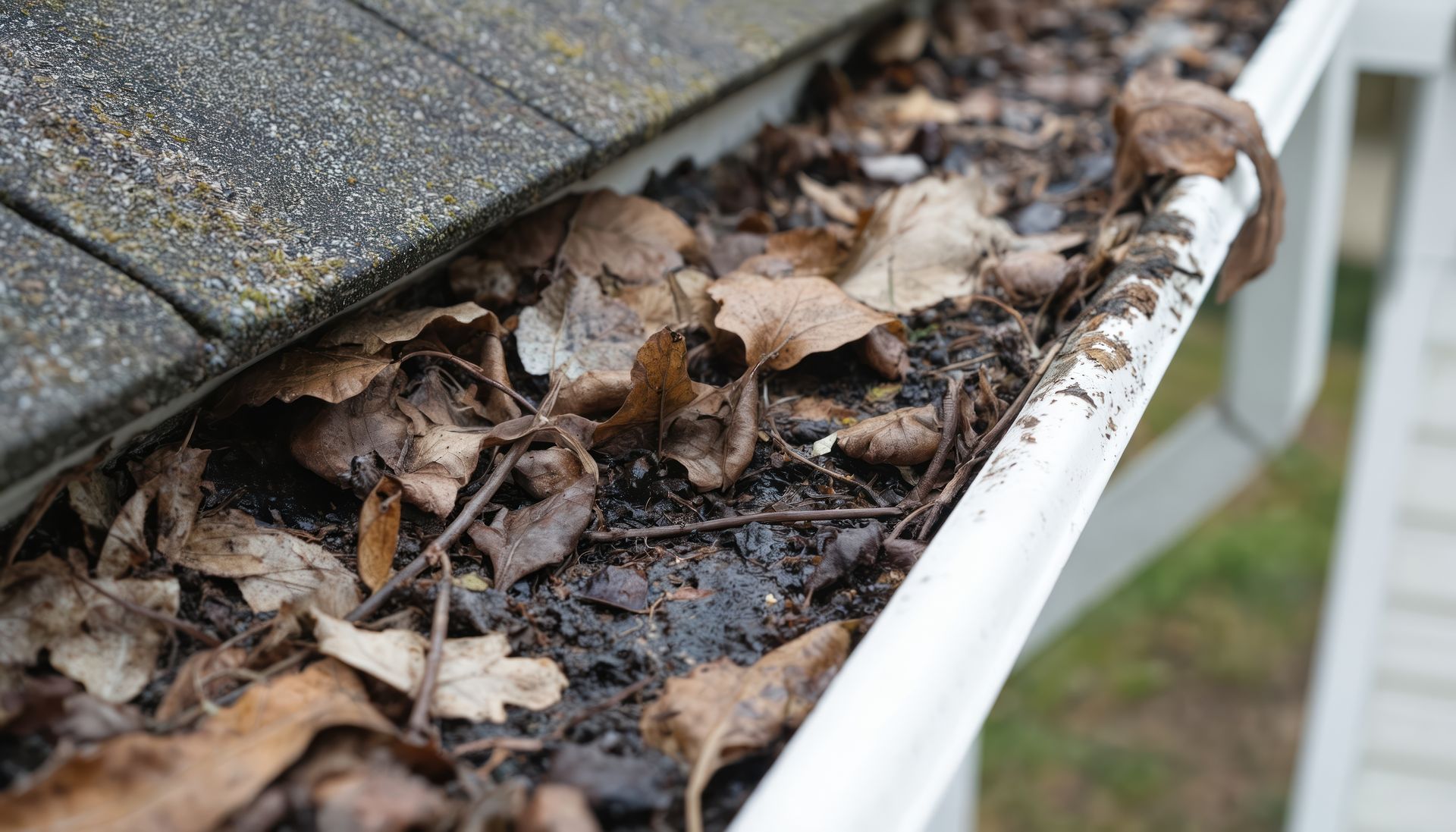
A clogged gutter packed with wet pine needles obstructs water flow, adds significant weight to the gutter hangers, retains moisture against the fascia board, and creates an environment hospitable to rot and insect damage. Fine-mesh gutter guards, while excellent for blocking leaf debris, often become clogged with pine needles themselves, requiring more frequent cleaning, not less. There's a reason gutter guards for pine needles require a fundamentally different design approach than standard leaf protection products. The design solution for pine needle environments is surface geometry, not fine filtration.
Spring Snowmelt Cycles and Ice Dam Risk
Mountain elevations experience multiple freeze-thaw cycles through late fall and early spring, and sometimes well into May. Snow on the roof melts during warm daytime hours, runs into the gutter, and refreezes overnight as temperatures drop back below freezing.
This cycle is particularly destructive when gutters are partially blocked. Standing water in a debris-laden gutter freezes solid, expands, and can crack gutter seams, separate gutter sections from the fascia, and create ice dams that force water back under the roofline. Understanding how to prevent ice dams with Gutter Helmet starts with keeping the flow path clear before temperatures ever drop.
Ice damage at this level often isn't discovered until the following spring, when the structural damage has already progressed. Common gutter problems in Denver homes during winter follow predictable patterns, and mountain homes face an amplified version of every one of them.
Wildfire Ember Intrusion
Colorado mountain homeowners live with wildfire risk that most urban homeowners never think about. During active fire season, wind-driven embers can travel a mile or more ahead of a fire front. Open gutters packed with dry pine needles are a well-documented ignition point, and fire investigators have traced structure losses to ember collection in unprotected gutters. The Marshall Fire highlighted exactly this risk and why keeping gutters clear of flammable material matters in Colorado communities.
Gutter guards with solid covers eliminate this risk category entirely. The closed top surface means there's no cavity where airborne embers can land and ignite accumulated debris. It's a fire-resistant design principle that homeowners in high-risk Wildland-Urban Interface (WUI) zones should prioritize, and one of the clearest reasons to protect your house from wildfires with Gutter Helmet.
Steep Rooflines and Accelerated Water Velocity
Mountain home architecture frequently features steeper roof pitches than suburban counterparts, both for aesthetic reasons and to shed snow loads efficiently. A steep-pitch roof accelerates water velocity. By the time runoff reaches the gutter, it's moving fast enough to overshoot a standard gutter profile entirely, especially on the outer edge.
Understanding how Gutter Helmet's design handles heavy rainfall is key here. A properly engineered system uses surface tension mechanics to pull fast-moving water into the gutter rather than allowing it to overshoot, which is precisely what makes it well suited for steep-pitch mountain rooflines.
Why Standard Gutter Guards Underperform in the Mountains
Walk into any home improvement store and you'll find gutter guard products marketed as universal solutions. Most were designed for the most common scenario: a suburban home, moderate rainfall, primarily deciduous leaf debris, and a flat-to-moderate roof pitch. Mountain homes fall outside that design envelope in almost every dimension. A side-by-side look at Gutter Helmet compared to traditional gutter guards makes these differences clear.
Fine-mesh guards and pine needle failure. Micro-mesh products excel at filtering small debris, but pine needles orient lengthwise and lay flat across mesh surfaces, gradually building a layer that water can't penetrate. The mesh that was supposed to keep debris out becomes the clog itself. In heavily forested mountain environments, fine-mesh guards often require cleaning as frequently as unprotected gutters, sometimes more.
Lightweight covers and mountain weather loads. Plastic snap-in covers are inexpensive and easy to install, but they're not engineered for the load conditions mountain homes experience. Heavy snow, ice accumulation, and the physical stress of freeze-thaw cycles can crack or dislodge lightweight covers. Once they've shifted even slightly, debris channels under the gap and the system is compromised.
Foam inserts and moisture retention. Foam inserts trap pine needles and organic debris in their open-cell structure, hold moisture continuously, and provide an ideal growing medium for moss and mold. The foam itself can degrade from UV exposure at altitude.
In high-debris mountain environments, foam inserts often create more maintenance issues than they solve. It's worth understanding what makes Gutter Helmet different from leaf filter or screen mesh products before settling on any solution.
What Makes a Gutter Guard System Suitable for Mountain Homes
An effective mountain home gutter guard needs to satisfy several criteria simultaneously:
- High-flow capacity. The system must handle the volume rate of Colorado's orographic storms, not just average annual rainfall.
- Debris-shedding geometry. Rather than trying to filter out pine needles, the surface design should cause them to roll or blow off rather than accumulate.
- Closed-top ember resistance. A solid cover eliminates the open cavity where wildfire embers can collect and ignite debris.
- Structural durability at altitude. UV resistance, freeze-thaw durability, and the ability to carry snow load without deforming or detaching.
- Performance at steep pitch. Surface tension mechanics that work with the higher water velocity produced by steep roof slopes, not against it.
Why gutter protection matters in Denver and the surrounding region comes down to exactly these factors, and mountain homes raise the stakes on every single one.
How Gutter Helmet Addresses Mountain-Specific Challenges
Gutter Helmet was originally developed to solve the exact problems that make standard gutter guards inadequate for challenging environments. Its patented PermaFlow Technology uses a textured surface and a nose-forward profile to leverage the surface tension of water, pulling runoff around the cover's leading edge and into the gutter below, while debris travels past and falls to the ground. Gutter guards 101 explains how Gutter Helmet works differently from mesh and screen-based systems at a mechanical level.
Surface tension water entry. Water clings to curved surfaces, a principle known as the Coanda effect. Gutter Helmet's ribbed surface and curved nose profile use this effect to guide even fast-moving, high-volume rainfall into the gutter opening as a thin sheet of water, while pine needles, twigs, and debris continue over the edge.
Solid cover and ember resistance. Because Gutter Helmet uses a solid cover rather than a perforated mesh, there is no open cavity for embers to enter. In Colorado mountain communities where WUI fire risk is a real concern, this design distinction has genuine safety significance beyond simple gutter maintenance.
All-weather structural performance. Gutter Helmet is manufactured from heavy-gauge aluminum with a baked-on finish designed to resist UV degradation at high altitude. The system attaches under the first course of shingles and is engineered to handle snow loads consistent with mountain conditions. How Gutter Helmet handles Colorado's heavy snow loads is a separate consideration from rainfall performance, and both matter at elevation.
Performance in high-flow events. The system has been independently tested for high-flow capacity that exceeds the rainfall intensity of severe storm events. For Colorado mountain homeowners who've watched water pour over the sides of their gutters during afternoon thunderstorms, this is the specification that matters most. It's also one reason Denver homeowners consistently rate Gutter Helmet highly based on real local results.
Colorado Mountain Communities We Serve
Gutter Helmet of Denver serves homeowners throughout the Colorado Front Range foothills and mountain communities, including:
- Evergreen and Kittredge (Jefferson County)
- Conifer, Pine, and Bailey (Park County / Jefferson County border)
- Estes Park and Glen Haven (Larimer County)
- Nederland, Jamestown, and Ward (Boulder County mountains)
- Black Hawk, Central City, and Gilpin County
- Indian Hills, Lookout Mountain, and Morrison
- Coal Creek Canyon and Golden Gate Canyon areas
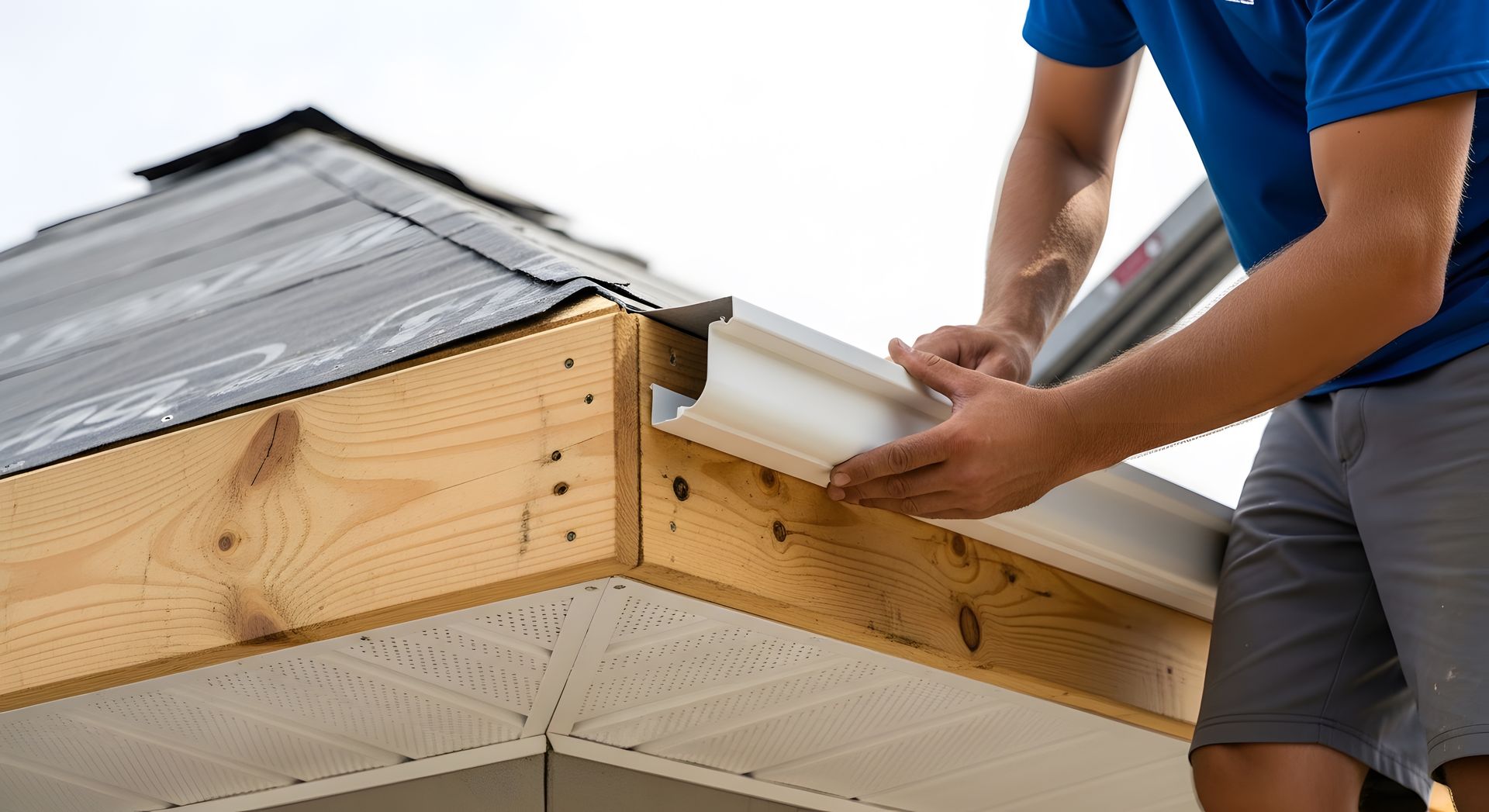
Mountain home installations require different fastening approaches, material specifications, and often custom fittings compared to standard residential installs. Our installers are trained for mountain conditions, which matters both for the quality of the installation and for working safely at elevation on steep-pitch rooflines. Why choosing professional gutter installation matters is especially true when steep pitches and remote locations are part of the equation.
Frequently Asked Questions
Do gutter guards really work in heavy Colorado mountain rainstorms?
Yes, but the choice of system matters significantly. Fine-mesh or snap-in style guards often fail in high-flow storm events, allowing water to overshoot the gutter entirely. Gutter Helmet's design has been independently flow-tested and performs well in the kind of high-volume, short-duration storms that characterize Colorado mountain summers. The key is that the system must be rated for the specific rainfall intensity of your area, not just average annual precipitation.
Won't pine needles just pile up on top of the Gutter Helmet cover?
This is a fair question. Unlike mesh guards, which can become clogged with fine debris, Gutter Helmet's ribbed, angled surface is designed so that pine needles slide or blow off rather than settle. In densely forested areas, some periodic surface clearing may still be advisable, typically once per season. But this is far less intensive than cleaning open gutters packed with wet pine needle mats, and the gutter interior remains protected from debris entry.
Are gutter guards effective for wildfire protection in Colorado?
Solid-cover gutter guard systems are widely recommended as part of a home hardening strategy for properties in Wildland-Urban Interface (WUI) zones. By eliminating the open gutter cavity, there is no space for wind-driven embers to collect and ignite accumulated dry debris. Many Colorado county-level fire preparedness programs include gutter protection in their home hardening checklists.
How do gutter guards handle freeze-thaw cycles at mountain elevations?
The main risk from freeze-thaw cycles is ice expansion in water that's been allowed to pool in the gutter. A properly functioning gutter guard system reduces this risk by keeping the flow path clear, so water moves through freely and has less opportunity to pool and freeze. Gutter Helmet's aluminum construction also resists the structural fatigue from repeated expansion and contraction cycles better than plastic alternatives.
Can gutter guards be installed on a steep-pitch mountain home roof?
Yes, but installation requires professional expertise. Steep-pitch rooflines require different equipment, different attachment methods, and a different approach to safely accessing the roofline. Gutter Helmet of Denver has experience with mountain home installations and performs on-site assessments before any steep-pitch project.
How much does gutter guard installation cost for a mountain home in Colorado?
Costs vary based on linear footage, roof pitch complexity, accessibility, and the specific configuration of the home. Mountain homes typically cost somewhat more than standard installs due to the additional complexity involved. Gutter Helmet of Denver provides on-site estimates for mountain properties, as getting an accurate number requires seeing the actual installation conditions.
Do I still need to clean my gutters if I have gutter guards installed?
With a properly installed Gutter Helmet system, the interior of the gutter remains largely debris-free, which eliminates most cleaning needs. In heavily forested mountain environments, an occasional exterior surface rinse may be beneficial, but this is fundamentally different from the semi-annual full gutter cleanings that unprotected mountain gutters typically require. The long-term savings of installing Gutter Helmet go well beyond just skipping the cleaning bill.
Protect Your Mountain Home Before the Next Storm Season
Gutter Helmet of Denver provides free on-site assessments for mountain home installations throughout the Colorado Front Range foothills. Schedule yours before summer storm season peaks.
You might also like