Helmet Heat Installation: What to Expect During a Colorado Winter Upgrade
Why Homeowners Choose Helmet Heat Mid-Winter
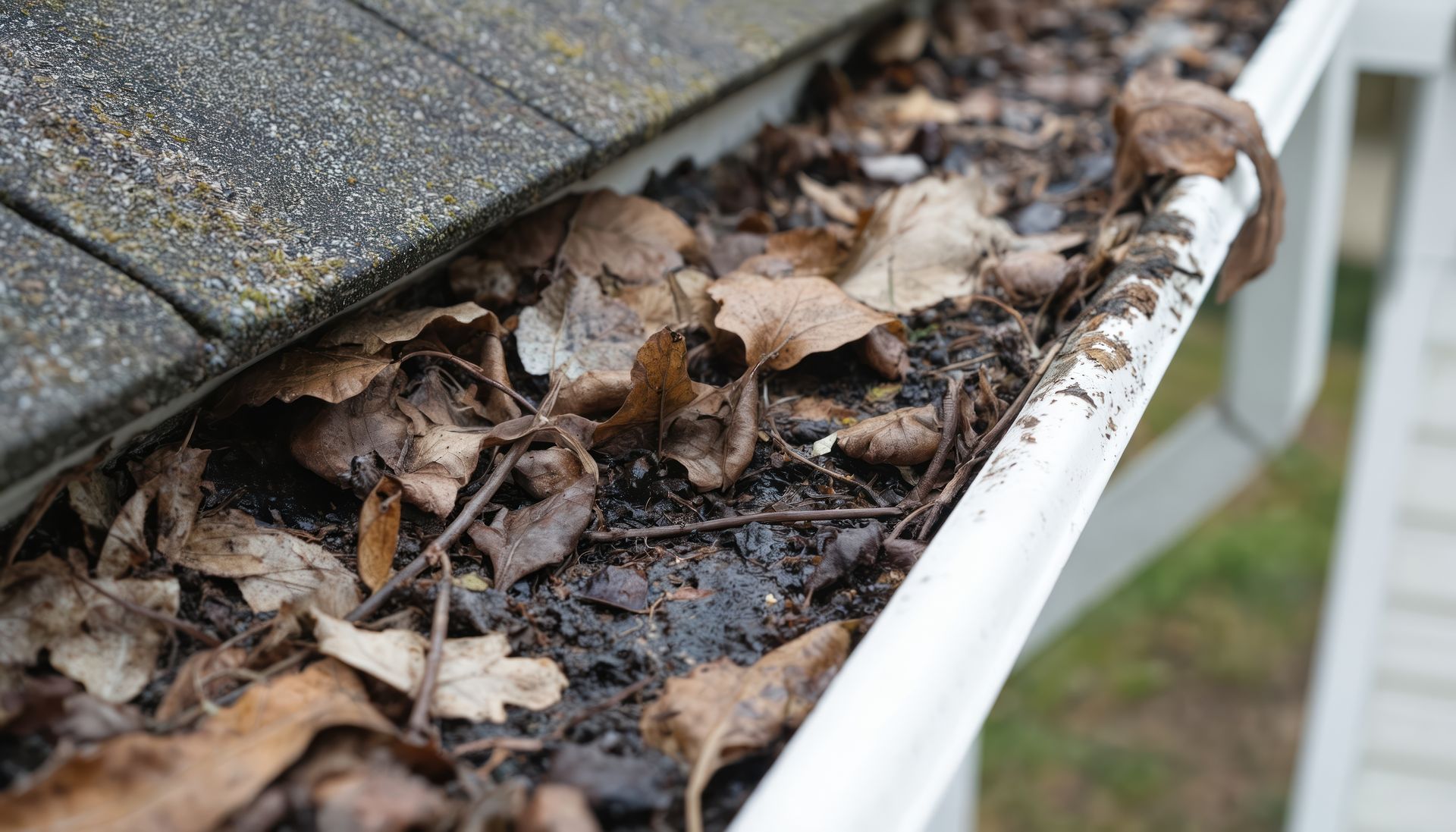
Many Denver homeowners assume gutter upgrades have to wait until spring. In reality, mid-winter is often when problems become most obvious. Ice dams, frozen gutters, and interior leaks highlight weaknesses in the current system. Helmet Heat is designed specifically for these conditions, making winter an ideal time to install protection before damage worsens.
Heated gutter installation in Denver during winter is not only possible, it can be highly effective. With the right system and professional installation, homeowners can stop ice-related issues while cold weather is still present. Many residents find that winter-ready gutters are the best defense against the unpredictable Colorado climate.
What Helmet Heat Is Designed to Do
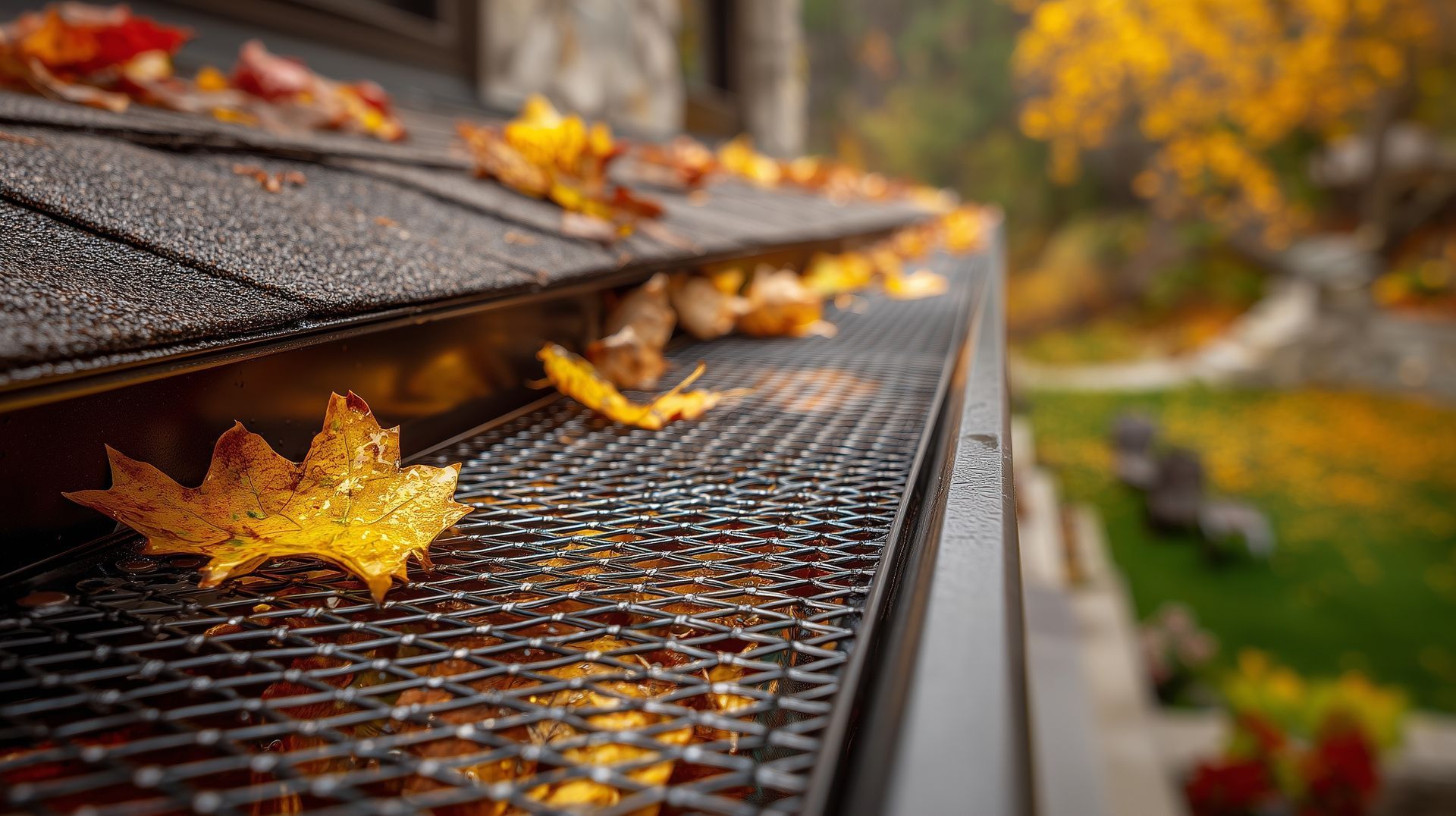
Helmet Heat is an integrated heating system that works alongside Gutter Helmet gutter guards. Its purpose is to prevent ice dams and frozen gutters by maintaining controlled warmth at the roof edge and inside the gutter channel.
Unlike temporary heat cables, Helmet Heat is engineered for long-term use. It activates automatically when temperatures drop, allowing snow and ice to melt safely and drain away before refreezing can occur. Understanding how helmet heat works with Gutter Helmet for winter protection helps homeowners appreciate its seamless design.
When Helmet Heat Installation Makes the Most Sense
Homeowners often wait until visible damage appears, but proactive installation can prevent costly repairs. Installing Helmet Heat mid-winter allows immediate protection during the harshest conditions, rather than waiting for another season of freeze-thaw cycles.
This approach is especially helpful for homes with older roofs, steep pitches, or a history of ice dams. In fact, preventing ice dams with Gutter Helmet in Denver is a common priority for those living in high-snowfall areas.
What the Installation Process Looks Like
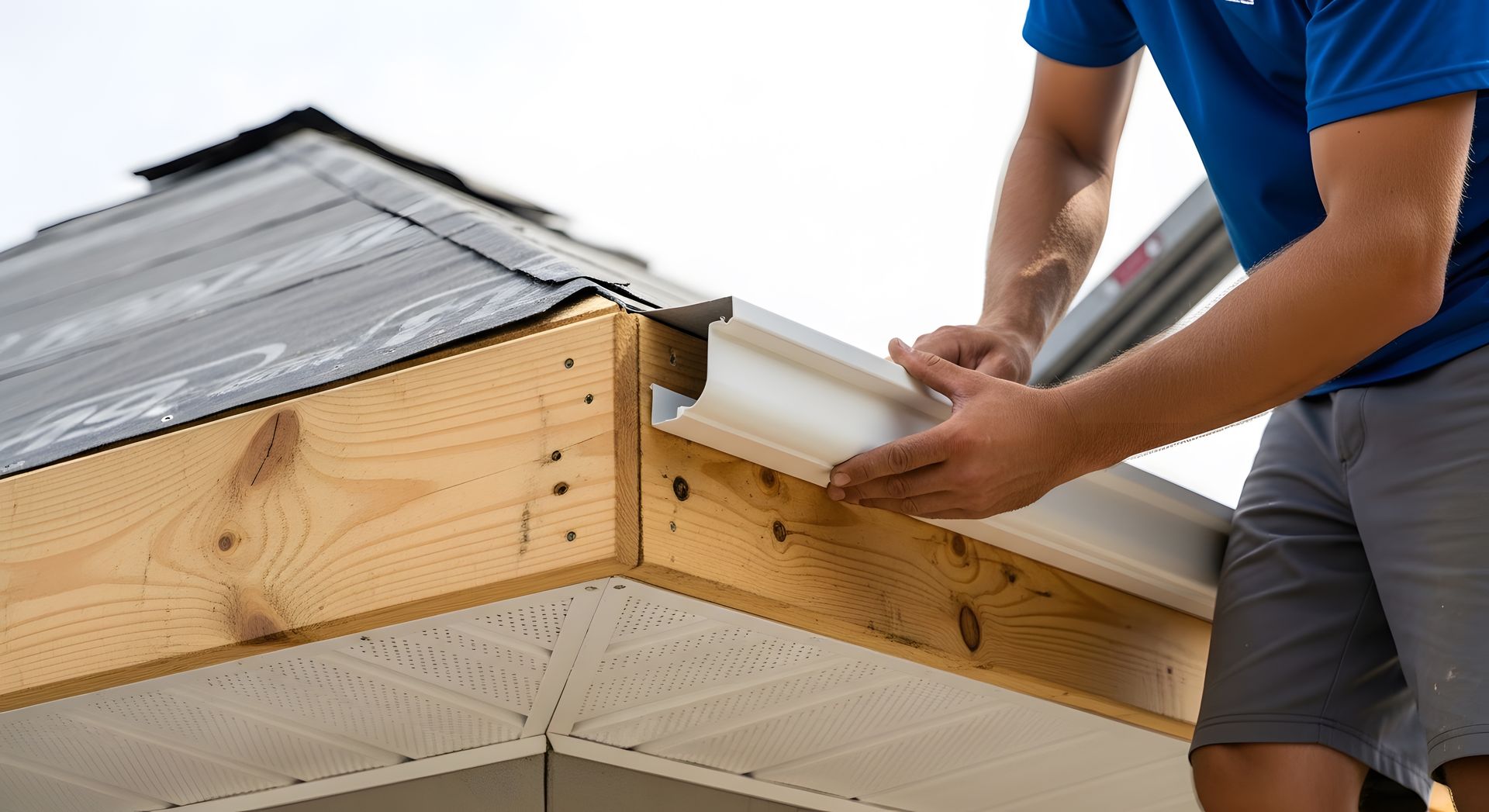
Helmet Heat installation is straightforward when handled by experienced professionals. The system is designed to integrate seamlessly with existing or new Gutter Helmet systems.
Most installations include an evaluation of rooflines, gutter condition, and electrical access. The heating elements are installed along key areas where ice typically forms, ensuring consistent coverage without unnecessary energy use.
Homeowners are often surprised by how efficient and minimally disruptive the process is, even during winter.
Is Helmet Heat Right for Your Home?
Consider the questions below. If you answer yes to one or more, Helmet Heat may be a smart upgrade.
- Do you see large icicles forming along your roof edge each winter?
- Have you experienced ice dams or winter roof leaks in the past?
- Do your gutters freeze solid during cold stretches?
- Is your home older or does it have a steep or complex roofline?
- Have you had to manually remove ice or snow from gutters before?
This quick self-check helps homeowners identify whether heated gutter guards could prevent ongoing winter issues.
How Long Does Installation Typically Take
Most Helmet Heat installations can be completed efficiently, often within a single day depending on home size and roof complexity. Weather conditions are considered during scheduling to ensure safety and proper installation.
Because Helmet Heat is designed for Colorado climates, cold temperatures do not prevent proper setup or performance.
What Homeowners Notice After Installation
Once installed, Helmet Heat begins working immediately when conditions require it. Homeowners often notice fewer icicles, less ice buildup, and improved water flow through gutters even during freezing weather.
Over time, the biggest benefit is what does not happen: no leaks, no ice dams, and no emergency winter repairs.
Benefits Beyond Ice Dam Prevention
Helmet Heat does more than stop ice dams. By reducing ice weight and standing water, it helps protect gutters, fascia boards, and roof edges from long-term stress.
This protection can extend the life of both the gutter system and the roof, making heated gutter guards a practical investment rather than a temporary fix. For those concerned about seasonal maintenance, winterizing your gutters with this system provides year-round peace of mind.
Key Takeaways for Homeowners Considering Helmet Heat
- Helmet Heat can be installed during Colorado winters
- Installation is efficient and minimally disruptive
- The system works automatically during freezing conditions
- Preventing ice buildup helps avoid costly roof and gutter damage
Frequently Asked Questions About Helmet Heat Installation
Can Helmet Heat be installed in the middle of winter?
Yes. Helmet Heat is designed for winter conditions and can be installed safely during cold months.
Will installation damage my roof or gutters?
No. The system is professionally installed to protect existing roofing and gutter structures.
Does Helmet Heat require constant monitoring?
No. It operates automatically based on temperature conditions.
Is Helmet Heat energy efficient?
Yes. It provides controlled heat only where needed, reducing unnecessary energy use.
Do I need Gutter Helmet to install Helmet Heat?
Helmet Heat is designed to work with Gutter Helmet systems for maximum effectiveness.
Protect Your Home Before Winter Damage Gets Worse
Ice dams and frozen gutters do not fix themselves, and waiting until spring can mean another season of preventable damage. Gutter Helmet of Denver helps homeowners understand heated gutter installation in Denver and provides professional Helmet Heat installs designed for Colorado winters. Their reassuring and informative approach ensures you know exactly what to expect before, during, and after the installation. Call 303-298-8888 today to schedule a consultation and protect your home with reliable heated gutter guards.
You might also like