Gutter Guards in Denver: Smart Seasonal Protection for Homes Facing Colorado Weather
As the seasons shift in Denver, homeowners are reminded just how unpredictable and demanding Colorado weather can be. From late-winter snowstorms and spring melt to sudden summer downpours and fall debris, your home’s gutter system is constantly under pressure. That is why Gutter Helmet Denver continues to see growing interest in professionally installed gutter guards that provide year-round protection without the hassle of ongoing maintenance. Gutter guards are no longer a luxury upgrade; they are a practical, long-term solution designed for the realities of living along the Front Range.
This time of year is especially critical for gutters in Denver. Snowmelt mixes with leftover debris from winter, early spring winds push pine needles and roof grit into open channels, and heavy rains test whether your drainage system can keep up. When gutters clog or overflow, the consequences often extend beyond a simple inconvenience, leading to foundation saturation, fascia damage, basement leaks, and landscape erosion. Gutter guards address these challenges at the source by preventing debris from entering the system while still allowing water to flow freely away from the home.
Understanding What Gutter Guards Really Do
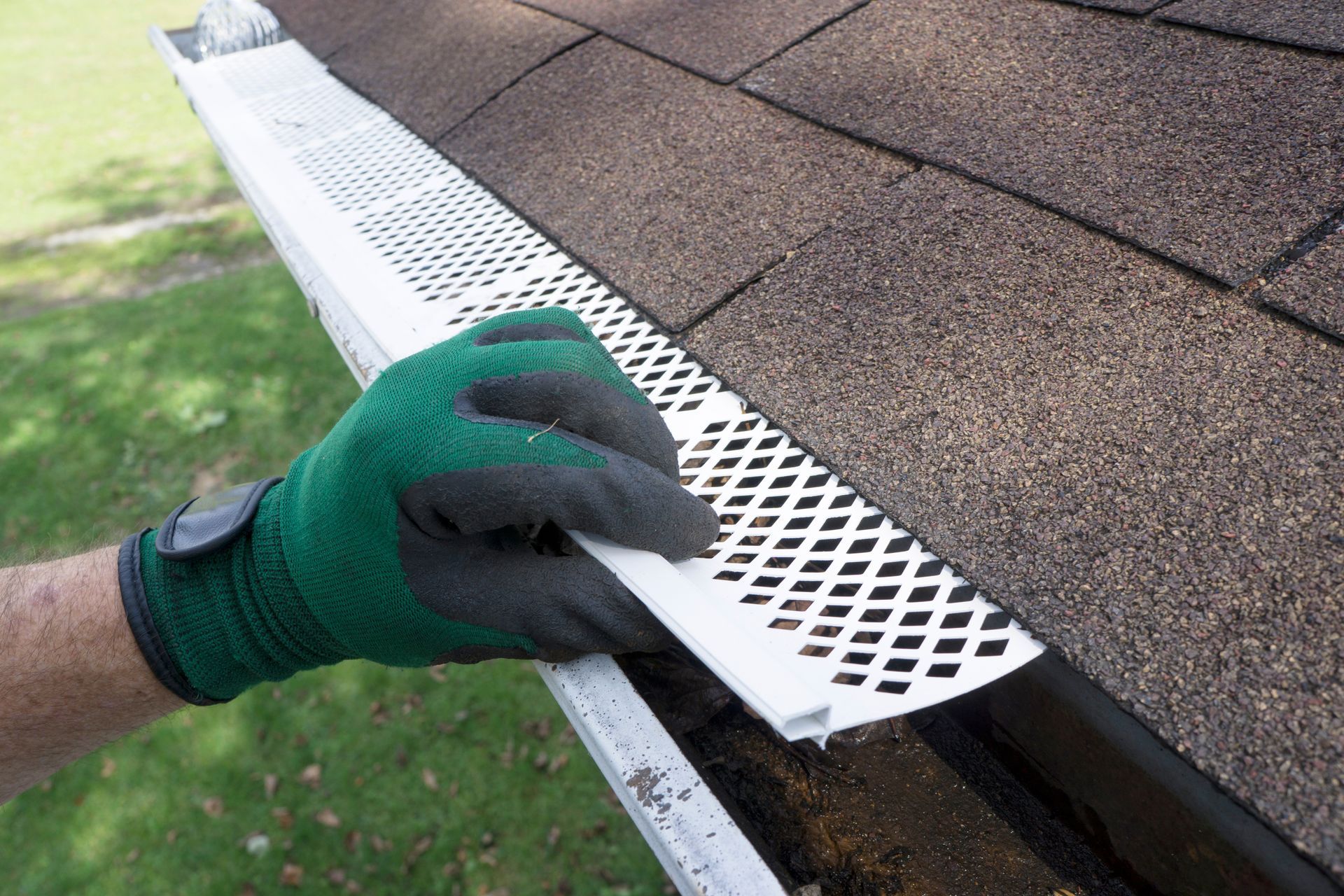
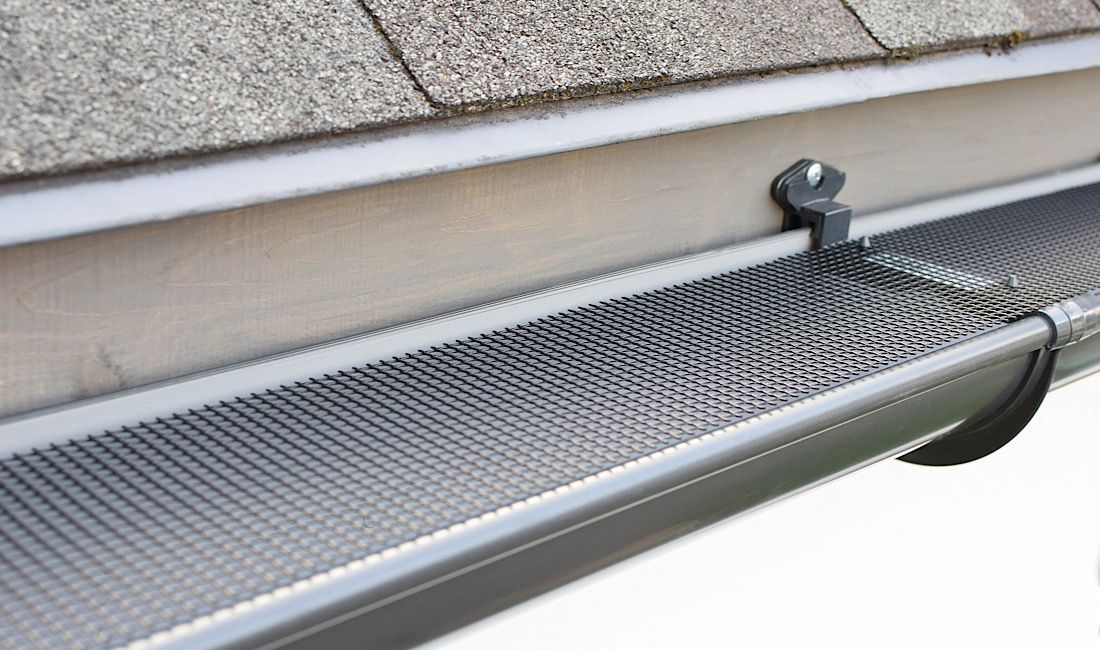
At their core, gutter guards are engineered covers installed over existing gutters to block debris such as leaves, pine needles, roof granules, and animal nesting material. Unlike basic screens or mesh products that can trap debris on top and require regular cleaning, advanced gutter guards use surface tension and design geometry to separate water from debris. This distinction is critical in Denver, where small debris like pine needles and wind-driven grit are more common than large leaves.
Modern gutter guard systems are designed to work with gravity and water physics rather than against them. When rain or melting snow flows across the curved surface, it adheres to the guard and follows it into the gutter, while debris continues to slide off the edge. This approach allows for continuous water movement even during heavy storms or rapid snowmelt periods, both of which are common during Colorado’s shoulder seasons.
Why Gutter Guards Matter More in Denver
Denver’s climate presents a unique combination of challenges that make gutter protection especially important. The region experiences more than 300 days of sunshine each year, which accelerates roof material breakdown and increases the amount of granular debris washing into gutters. Add frequent freeze-thaw cycles, heavy spring runoff, summer thunderstorms, and fall winds, and it becomes clear why open gutters struggle to perform consistently.
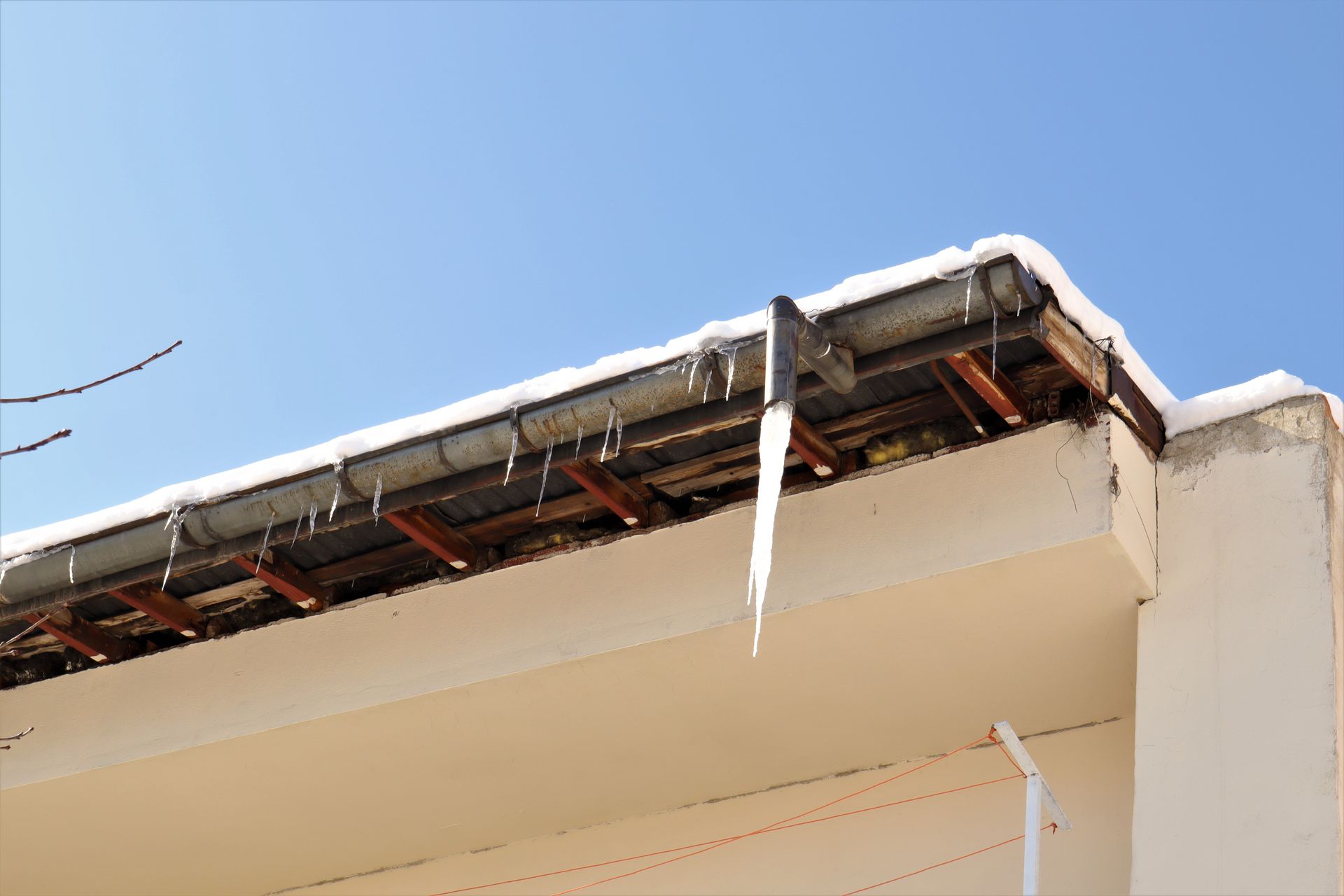
Ice is another major concern. When clogged gutters trap water, freezing temperatures turn that water into ice dams that block proper drainage. Over time, ice expansion can loosen fasteners, warp gutters, and push water back under shingles. Professionally engineered gutter guards reduce standing water in the system, lowering the risk of ice formation and helping protect both the roofline and the gutter structure.
The Seasonal Advantage of Installing Gutter Guards
This time of year is ideal for evaluating and upgrading your gutter system. As Denver transitions between seasons, homeowners have an opportunity to address vulnerabilities before peak rainfall or snowmelt puts stress on the home. Installing gutter guards now helps ensure that spring showers are managed efficiently and that summer storms do not overwhelm the drainage system.
Another seasonal benefit is safety. Many homeowners attempt to clean gutters themselves during spring, often climbing ladders while dealing with wet debris and unstable footing. According to the Centers for Disease Control and Prevention, falls remain one of the leading causes of injury among homeowners, particularly during routine maintenance tasks. Gutter guards significantly reduce or eliminate the need for ladder-based gutter cleaning, lowering risk while maintaining performance.
Long-Term Protection and Financial Value
One of the most common questions homeowners ask is whether gutter guards are worth the investment. From a long-term perspective, gutter guards provide measurable financial value by preventing damage that can be costly to repair. Water intrusion near the foundation can lead to structural issues, basement moisture problems, and mold growth. Rotting fascia boards, peeling paint, and roof edge deterioration are also common side effects of overflowing gutters.
By keeping gutters clear and directing water safely away from the home, gutter guards help preserve the integrity of multiple building components. Many professionally installed systems are designed to last for decades, often backed by lifetime performance guarantees. This durability transforms gutter protection from a recurring maintenance expense into a one-time improvement that continues to deliver value year after year.
Expert Installation Versus DIY Solutions
While there are many do-it-yourself gutter guard products on the market, they often fall short in Denver’s demanding conditions. Screens and foam inserts can become clogged with debris, freeze solid in winter, or dislodge during high winds. Improper installation can also interfere with roof shingles or compromise water flow.
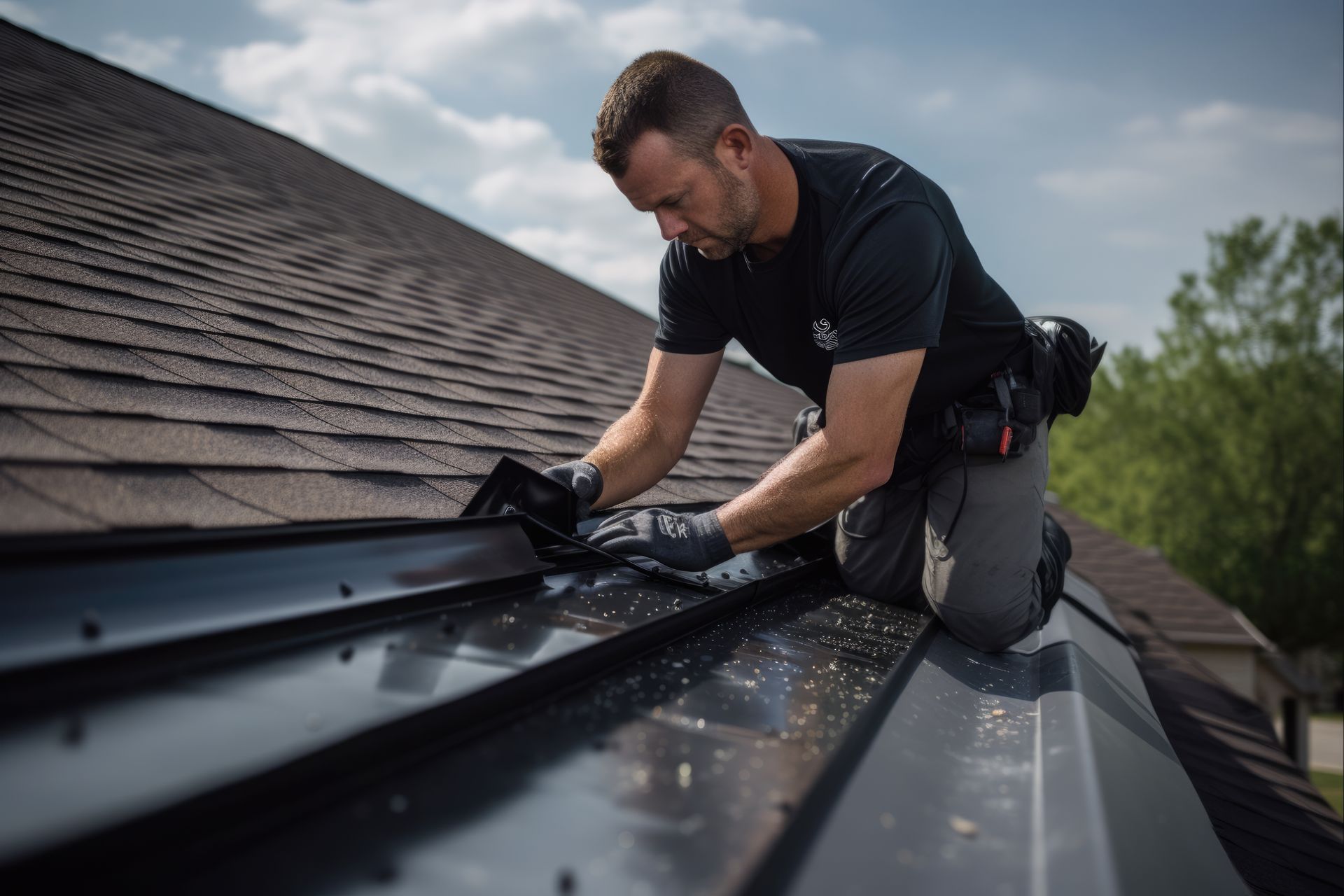
Professional installation ensures that gutter guards are correctly fitted to the roofline, pitched for optimal drainage, and secured to withstand snow loads and wind exposure. Certified installers also evaluate the existing gutter system to confirm it is structurally sound before adding protection, addressing issues like improper slope, loose fasteners, or undersized gutters that could limit performance.
Gutter Guards and Home Value
Beyond functional benefits, gutter guards can also enhance curb appeal and resale value. Clean, streamlined gutters contribute to a well-maintained exterior, which is an important factor for buyers evaluating a property. In competitive real estate markets like Denver, visible investments in durability and low-maintenance features help homes stand out.
Real estate professionals often note that buyers are increasingly drawn to homes with preventative upgrades already in place. Gutter guards signal that a homeowner has taken steps to protect the property proactively, reducing concerns about hidden water damage or deferred maintenance.
Environmental Considerations
Another often-overlooked advantage of gutter guards is their environmental impact. By preventing debris buildup and overflow, gutter guards reduce soil erosion and help maintain stable landscaping. Efficient water management also minimizes the risk of pollutants washing into storm drains during heavy rains. Additionally, fewer cleanings mean less waste and fewer chemical cleaners entering the environment.
5 FAQs You Should Know About Gutter Guards
What are gutter guards, and why are they different from screens?
Gutter guards are solid or curved protective systems designed to keep debris out while allowing water to flow, whereas screens often trap debris and still require regular cleaning.
Do gutter guards work during heavy rain and snowmelt?
High-quality gutter guards are engineered to handle intense rainfall and rapid snowmelt by maintaining consistent water flow without clogging or overflowing.
Will gutter guards stop ice dams from forming?
While no system can eliminate ice entirely, gutter guards reduce standing water in gutters, which helps lower the likelihood of ice buildup and ice dam formation.
Can gutter guards be installed on older homes?
Yes, most gutter guard systems can be installed on existing homes after a professional inspection ensures the gutters and roofline are in good condition.
How long do professionally installed gutter guards last?
Many premium gutter guard systems are designed to last for decades and are often backed by lifetime warranties, making them a long-term home improvement.
Gutter protection is not a one-size-fits-all solution, particularly in a region as weather-diverse as Denver. Decades of industry data show that consistent gutter performance plays a critical role in protecting foundations, roofs, and siding. Home improvement studies frequently cite water management as one of the most important factors in long-term home preservation.
Professionally engineered gutter guards represent the evolution of this understanding, combining materials science, structural design, and local climate expertise. When installed by trained specialists, they become an integral part of the home’s defense system rather than an accessory.
As Denver homeowners prepare for the months ahead, now is the right moment to take a closer look at how well your gutters are protecting your home. A system designed to perform through snow, rain, wind, and debris can make the difference between constant upkeep and true peace of mind. Speaking with experienced professionals who understand local conditions can help you determine the best path forward and ensure your home is ready for whatever Colorado weather brings next.
You might also like