Preventing Ice Dams with Gutter Helmet in Denver
January 11, 2024
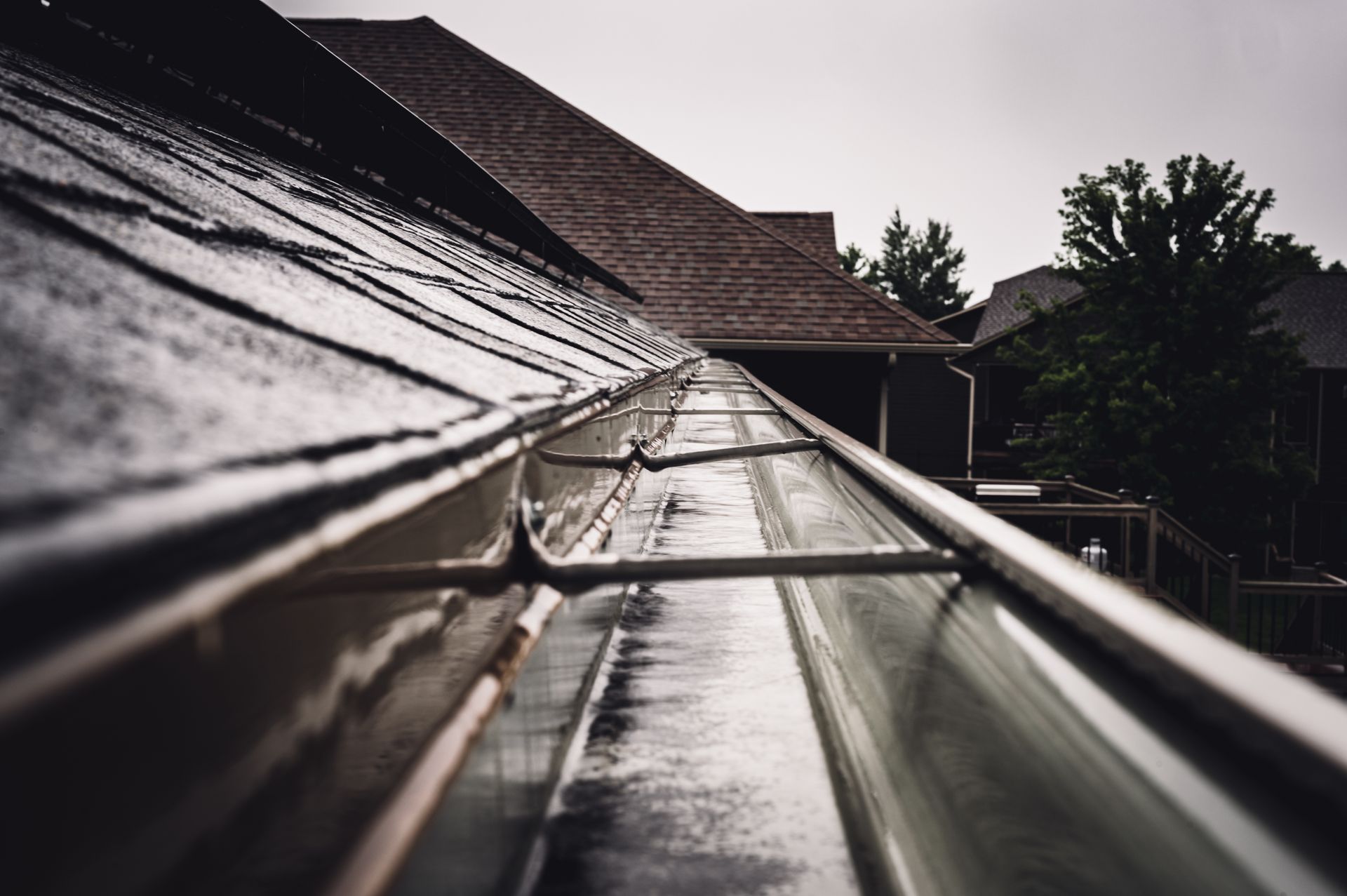
A close-up, angled view of a metal rain gutter attached to a shingled roof under a cloudy sky.


In the Denver Metro Area, ice dams are a common winter challenge for homeowners. These ice formations can cause significant damage to both gutters and roofs. This article will explore how the Gutter Helmet system effectively prevents ice dams in Denver gutters, ensuring the safety and longevity of your home during the harsh winter months.


Understanding Ice Dams and Their Impact in Denver


Formation of Ice Dams

Ice dams occur when snow on the roof melts, flows down, and refreezes at the edge of the roof, particularly in the gutters. This process creates a dam of ice, preventing proper drainage and potentially leading to water seeping under roof shingles and into the home.


Risks Posed by Ice Dams

The risks of ice dams in Denver are significant. They can cause gutter damage, roof leaks, and even interior damage to walls and ceilings. In a region known for its heavy snowfall, preventing ice dams is crucial for maintaining the structural integrity of homes.


How Gutter Helmet Helps in Ice Dam Prevention


Keeping Water Flowing

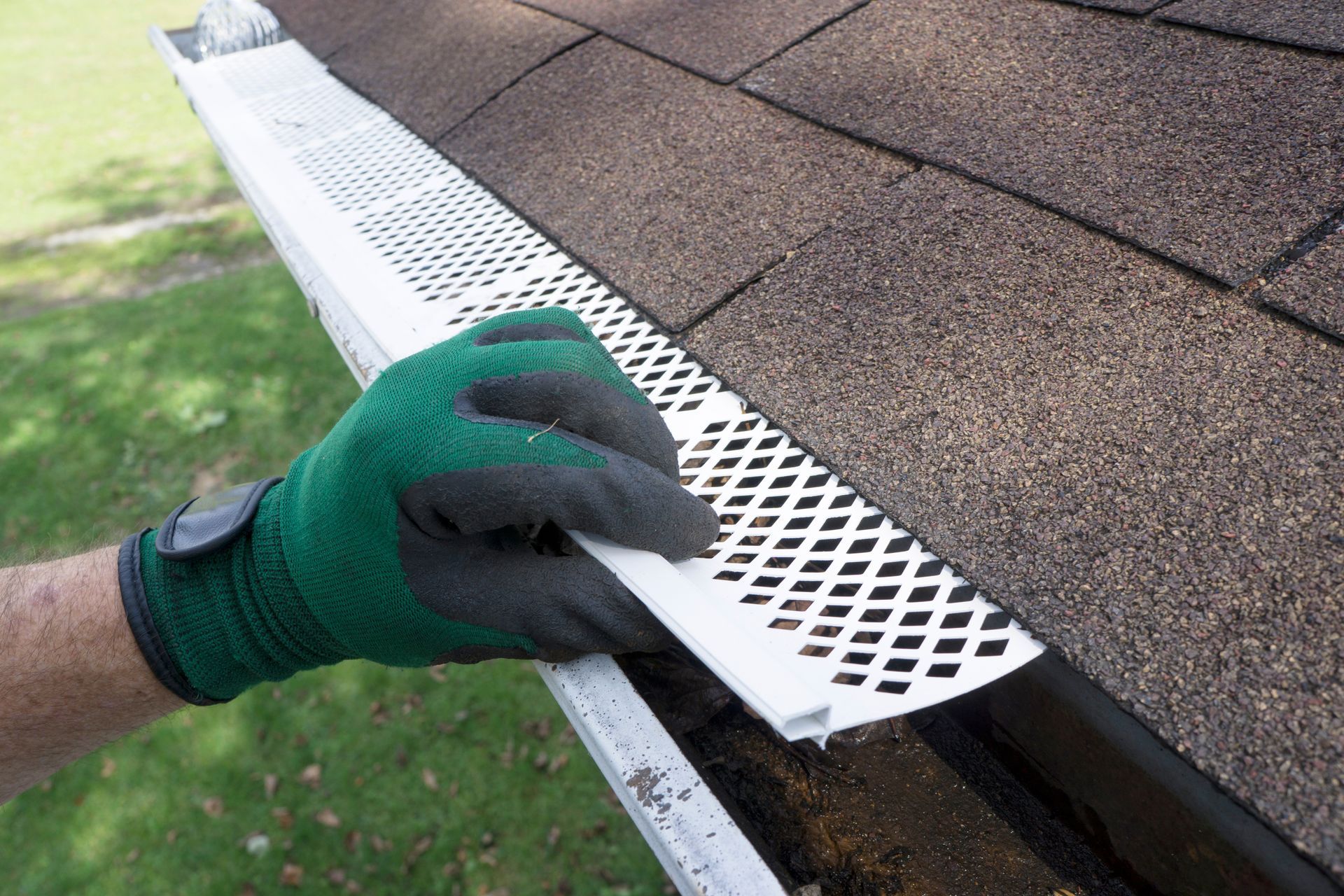
The Gutter Helmet is designed to keep water flowing freely through the gutters. Its patented nose-forward design allows water to enter the gutter while keeping out leaves, snow, and ice. This design is crucial in preventing the formation of ice dams, as it ensures that melting snow can drain away before it has the chance to refreeze at the gutter's edge.


Reducing Snow Accumulation

By preventing snow and ice from accumulating in the gutters, the Gutter Helmet reduces the likelihood of ice dam formation. This is particularly important in Denver, where the weight of snow and ice can cause significant strain on gutter systems.


Compatibility with Existing Gutter Systems

Gutter Helmet can be installed over existing gutter systems, making it a convenient solution for Denver homeowners. This ease of installation means that homes can be quickly and efficiently protected against the risks of ice dams.


Additional Benefits of Gutter Helmet in Denver


Long-Term Durability

The Gutter Helmet is made from high-quality materials designed to withstand the harsh Denver winters. This durability ensures that homeowners can rely on their gutter protection system year after year.


Enhancing Roof Longevity

By preventing ice dams, the Gutter Helmet indirectly contributes to the longevity of the roof itself. Without the strain caused by ice accumulation and water backup, roofs can maintain their integrity for longer periods.


Peace of Mind

Knowing that their home is protected from the damaging effects of ice dams can give Denver homeowners peace of mind throughout the winter season.


For homeowners in the Denver Metro Area, preventing ice dams is a critical aspect of winter home maintenance. Gutter Helmet offers an effective solution to this problem, with its unique design ensuring the smooth flow of water and the prevention of ice accumulation. By investing in Gutter Helmet, Denver residents can protect their homes from the costly and damaging effects of ice dams.


Sources:


"Ice Dam Prevention Strategies in Denver," Denver Home Maintenance Magazine.

"The Benefits of Gutter Helmet in Winter Climates," National Roofing Review.

"Gutter Helmet: Denver's Solution to Ice Dams," Colorado Homeowners Journal.


You might also like
gutters with a gutter guard
By Erika Ray • October 27, 2026
It is one of the most common questions we get, and it comes from a reasonable place. If a gutter cover is doing the work of keeping water moving and debris out, why keep the gutter underneath it at all? The short answer: yes, you absolutely still need gutters. Gutter Helmet is a cover that installs onto an existing gutter system. It is not a substitute for one. Without a gutter beneath it, there is nothing to catch the water it redirects and nothing to carry that water to a downspout. That answer usually raises a better question, which is what the two components actually do and why the distinction matters when you are budgeting a project. Gutter Helmet of Denver installs both, so here is the straightforward explanation. Gutters and gutter covers do two different jobs Think of it as a collection system and a filtration problem. The gutter is the collection system. It is the trough that catches roof runoff and the downspout network that moves it away from your foundation. Every function people care about, keeping water off siding, away from window wells, and out of the basement, depends on that trough existing and having capacity. The cover solves a separate problem: debris getting into the trough and blocking it. A cover does not collect or transport water on its own. It sits on top of the collection system and controls what gets in. Remove the gutter and you remove the collection system entirely. The cover would simply be a decorative strip along your roof edge while water fell straight to the ground at the drip line, which is the exact condition gutters were invented to prevent. Why this matters more in Colorado than most places Front Range soils make the collection half of the equation especially important. Much of the Denver metro sits on expansive clay. Clay soil swells when it absorbs water and shrinks when it dries, and that movement transfers directly to whatever is sitting on it, including your foundation. Concentrated roof runoff landing in the same spot repeatedly is one of the more effective ways to create that cycle. Our region also produces sudden volume. A summer monsoon cell can drop a lot of water in a short window, and spring snowmelt can run for days. Both scenarios need somewhere for water to go, which means a correctly sized trough and enough downspouts. A cover has no influence on either of those things. What Gutter Helmet actually adds If gutters do the collecting, the cover earns its place by protecting that capacity. A clogged gutter is a gutter with no usable capacity. Once debris fills the trough, water backs up, spills over the front edge, and lands exactly where an uncovered roof edge would have dropped it. You still have gutters, but functionally you are back to having none. Gutter Helmet uses a solid surface with a curved nose and a narrow opening underneath. Water follows the curve into the gutter through surface tension. Leaves, needles, and grit keep going and fall clear. There is no screen and no mesh, so there is nothing for debris to embed in. Our overview of how the system works differently from other guards walks through that mechanism in more detail. The practical benefit is that the gutter you already paid for keeps working at full capacity through the seasons when it matters most, rather than filling with cottonwood in June and pine needles in October. You can see what happens when that capacity is lost in our breakdown of how overflow and clogs damage a home . Do your existing gutters need replacing first? This comes up on most estimates, and the honest answer is that it depends on three things. Condition. Sagging sections, separated seams, rusted areas, or gutters pulling away from the fascia need to be addressed. Installing a cover over a failing gutter preserves the failure. Size. If your gutters were undersized for the roof area draining into them, a cover will not fix overflow. Some Denver homes were built with 5-inch gutters on roof areas that really call for more capacity. Our guide to choosing the right gutter size covers how that calculation works. Pitch. Gutters need a slight slope toward the downspout. Runs that have settled flat or backward will hold standing water regardless of what sits on top. In many cases, existing gutters are in good shape and only need minor correction before a cover goes on. In others, replacing the gutters and adding protection at the same time is more economical than doing them separately, because the labor overlaps. A site visit is the only reliable way to tell which situation you are in. Our gutter services page explains what a replacement involves. What about going without gutters entirely? A small number of homes are designed without them, usually with a rain chain, a French drain system, or a wide overhang paired with engineered grading. These are deliberate architectural decisions made at the design stage with drainage engineered around them. Removing gutters from a home that was built with them is a different proposition. The grading, the foundation depth, and the landscaping were all planned around water being collected and discharged at specific points. Taking that away tends to reveal problems that the gutters were quietly preventing. Frequently asked questions Can Gutter Helmet be installed without gutters? No. It is a cover designed to mount onto an existing gutter system. There must be a gutter and downspout network underneath it to collect and carry water away. Does Gutter Helmet replace my gutters? No, it protects them. If your current gutters are sound, the cover installs onto them. If they are damaged or undersized, they are typically replaced or repaired first, then covered. Will I still need to clean my gutters after installation? The system is designed to keep debris out so routine cleaning is not required. Downspouts and the roof surface above the gutter may still need occasional attention depending on your tree cover. Do gutter guards work on old gutters? They can, provided the gutters are structurally sound, properly pitched, and correctly sized. An installer should evaluate all three before quoting a cover. Is it cheaper to install gutters and a cover at the same time? Often yes, because the crew is already on site and working at the roof edge. If replacement is likely within a few years, combining the work usually costs less than sequencing it. The simple version Gutters catch and carry water. A cover keeps the gutter clear so it can keep doing that. You need both, and the cover is only as effective as the system underneath it. If you are not sure whether your current gutters are worth covering or worth replacing, that is a quick thing to determine on site. Get in touch and we will take a look at the condition, sizing, and pitch before recommending anything.
gutter guards
By Erika Ray • October 13, 2026
Gutter guards for steep roofs in Colorado. How Gutter Helmet of Denver fits valleys, dormers and steep Denver rooflines. (303) 298-8888.
how gutter guards protect landscaping
By Erika Ray • September 23, 2026
Gutter Helmet of Denver explains how gutter guards protect landscaping from overflow damage during fall storms. Call 303-298-8888 for a free consultation today.

Request a Free Gutter Helmet Quote Today