Gutter Guard Warranties Explained: What Denver Homeowners Should Know

When Gutter Helmet of Denver works with homeowners considering gutter protection, one question comes up reliably near the end of the conversation: what does the warranty actually cover? It's a smart question, and the honest answer is that it depends enormously on which product and which installer you're working with.
Gutter guard warranties vary more than most homeowners realize. Some are genuinely comprehensive lifetime protections backed by the manufacturer. Others are limited in ways that only become apparent when something goes wrong. Understanding the difference before you invest is far more valuable than discovering the fine print after the fact.
This guide breaks down how gutter guard warranties typically work, what the common limitations are, and what Denver homeowners specifically should look for before signing anything.
Why Warranty Terms Matter More for Gutter Guards Than Most Home Products
A gutter guard system isn't a product you buy, install, and replace every few years. The entire value proposition is long-term protection with minimal maintenance. That makes the warranty one of the most meaningful specs of any gutter guard product, arguably more important than it is for shorter-lifespan home improvement purchases.
A system that performs well for three years and then degrades, clogs, or detaches hasn't delivered on its core promise. And if the warranty doesn't cover that scenario, the homeowner absorbs the full cost of replacement. The long-term savings of installing gutter guards only materialize if the system continues performing over the long term, which is exactly what a strong warranty is designed to guarantee.
The Different Types of Gutter Guard Warranties
Not all warranties are structured the same way, and the terminology used in marketing materials doesn't always reflect what the warranty document actually says.
Lifetime Warranties
A lifetime warranty is the gold standard in the gutter guard industry, but the word lifetime can mean different things depending on how the warranty is written. Some lifetime warranties are tied to the life of the product, meaning the manufacturer decides when the product has reached the end of its useful life. Others are tied to the life of the home, meaning coverage continues as long as the home stands. The strongest lifetime warranties are transferable to a new owner if the home is sold, which also adds measurable value at resale.
A lifetime gutter guard warranty should be read carefully before it's used as a purchasing justification. The label matters less than the specific terms behind it.
Limited Warranties
Limited warranties cover specific components or failure modes for a defined period. A product might carry a ten-year warranty against manufacturing defects but no coverage for installation-related issues or performance degradation from debris accumulation. Limited warranties aren't necessarily bad, but they require closer scrutiny to understand exactly what is and isn't covered.
Performance Warranties vs. Material Warranties
This is a distinction that catches many homeowners off guard. A material warranty covers the physical components of the system against defects in manufacturing. It guarantees that the aluminum won't corrode abnormally, that the finish won't fail prematurely, and that the structural components will hold up under normal conditions.
A performance warranty goes further. It covers the system's ability to do its job, meaning it guarantees that the gutters will remain free of debris-related clogs under normal operating conditions. Not all gutter guard products offer a performance warranty, and those that do often define normal operating conditions narrowly enough to limit practical coverage.
For Denver homeowners dealing with pine needle accumulation, heavy summer storms, and seasonal freeze-thaw cycles, the performance warranty is often more relevant than the material warranty. A system that physically holds together but fails to keep debris out hasn't met the standard a performance warranty should guarantee.
What Most Gutter Guard Warranties Don't Cover
Understanding exclusions is as important as understanding what a warranty covers. Common exclusions across most gutter guard warranties include the following.
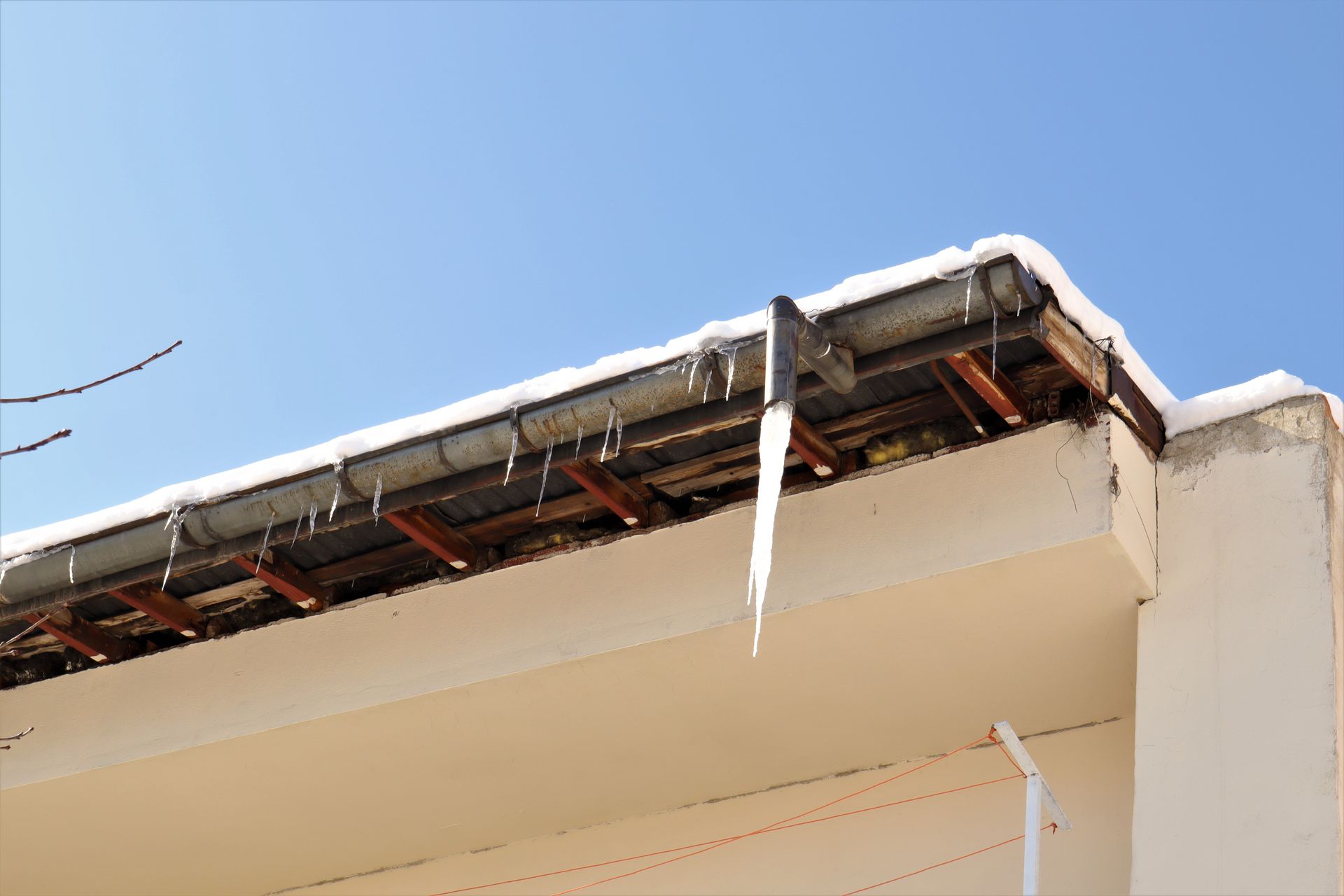
Acts of nature. Damage from hail, falling branches, ice storms, or other weather events is typically excluded. This is worth noting for Denver homeowners given Colorado's active hail season and the prevalence of heavy snow and ice in mountain and foothill areas.
Improper installation. Most manufacturer warranties require installation by a certified or authorized installer. If the system was installed by a general contractor or as a DIY project, the warranty may be partially or fully voided. Why professional gutter installation matters extends beyond quality of workmanship to warranty protection as well.
Negligence or lack of maintenance. Some warranties include language that voids coverage if the homeowner fails to perform reasonable maintenance. This is rarely defined precisely, but it's worth understanding what maintenance expectations the warranty assumes.
Pre-existing gutter conditions. If the underlying gutter system had existing issues at the time of installation, damage attributable to those conditions is typically excluded. This is one reason a professional assessment of the existing gutters before installation is important.
What Denver's Climate Means for Warranty Considerations
Denver and the surrounding Front Range present a specific set of environmental conditions that should inform how homeowners evaluate warranty terms.
Colorado's hail season runs roughly from May through September, with some of the highest hail frequency of any region in the country. A gutter guard system that excludes hail damage from its warranty leaves a meaningful gap in coverage for local homeowners. It's worth asking directly whether hail damage is covered and under what conditions before committing to any product.
Freeze-thaw cycling is another Denver-specific consideration. A system that carries a strong material warranty but uses components that degrade under repeated thermal expansion and contraction may not hold up as well as the warranty implies. How gutter guards handle Colorado's heavy snow loads is directly relevant to how well a system and its warranty hold up through a full Colorado winter.
UV exposure at elevation is also worth considering. Denver sits at 5,280 feet, and many foothill and mountain communities are significantly higher. UV intensity increases with altitude, and materials that perform well at sea level may degrade faster in Colorado's higher-elevation environment. A warranty that covers finish and material integrity should ideally account for this.
Transferability and Home Resale Value
A transferable warranty is a meaningful selling point when it comes time to list a home. Buyers increasingly understand the value of gutter protection systems, and a transferable lifetime warranty adds a documented, tangible benefit that a real estate agent can point to.
Not all warranties transfer automatically. Some require formal notification to the manufacturer within a specific window after the sale closes. Some charge a transfer fee. And some simply don't transfer at all, meaning the warranty ends when the original owner sells.
Boosting curb appeal and home value with gutter protection is a real consideration for Denver homeowners in a competitive market, and a transferable warranty strengthens that case considerably.
Questions to Ask Before You Commit
Before agreeing to any gutter guard installation, these are the warranty questions worth getting clear answers on.
- Is the warranty a lifetime warranty, and how is lifetime defined?
- Is it tied to the product, the home, or the original owner?
- Does the warranty cover performance, materials, or both?
- What specific conditions void the warranty?
- Is hail damage covered?
- Is installation by an unauthorized contractor a disqualifying factor? Is the warranty transferable, and what is the transfer process?
- Who administers the warranty claim, the manufacturer or the installer, and what is the claims process?
The answers to these questions will tell you more about the real value of a warranty than the marketing language on any product page.
How Gutter Helmet's Warranty Compares
Gutter Helmet backs its system with a lifetime transferable warranty that covers both materials and performance. The warranty guarantees that gutters protected by Gutter Helmet will not clog with debris under normal operating conditions, which is the performance standard that matters most to homeowners. Because the system is installed by trained, authorized installers, the installation quality that warranties often hinge on is built into the process rather than left to chance.
For Denver homeowners evaluating the ROI of gutter guard investment, the warranty is a core component of that calculation. A system backed by a strong transferable lifetime warranty isn't just protection for the gutters. It's protection for the investment itself.
Frequently Asked Questions About Gutter Guard Warranties for Denver Homeowners
What is the difference between a lifetime warranty and a limited warranty on gutter guards?
A lifetime warranty covers the system for the life of the home or the original owner, depending on how it's written, while a limited warranty covers specific components or failure types for a defined number of years. The key is reading the actual terms rather than relying on the label. A lifetime warranty with broad exclusions may offer less practical protection than a well-structured limited warranty.
Does a gutter guard warranty cover damage from Colorado hail?
Most standard gutter guard warranties exclude damage from acts of nature, which typically includes hail. Given Colorado's position in one of the most hail-active regions in the country, this is a meaningful gap worth asking about specifically before purchase. Some premium products offer more comprehensive coverage, so it's worth getting a direct answer from the manufacturer or installer.
Will my gutter guard warranty be voided if I don't use an authorized installer?
In most cases, yes. Manufacturer warranties are typically conditioned on installation by a certified or authorized installer. Using an unlicensed contractor or attempting a DIY installation often voids the manufacturer warranty entirely, which eliminates one of the primary long-term value arguments for investing in a quality system.
Can I transfer my gutter guard warranty to a new homeowner if I sell my house?
It depends on the product. Some gutter guard warranties are fully transferable at no cost, some require a formal transfer process or fee, and some don't transfer at all. A transferable warranty adds real value at resale and is worth confirming before purchase. How Gutter Helmet saves money in the long run includes the added resale value a transferable warranty provides.
What should I do if I need to make a warranty claim?
Start by locating your original warranty documentation and understanding whether claims are handled by the manufacturer or the installer. Document the issue thoroughly with photos before any repairs are attempted. Contact the warranty administrator directly and follow their process. Attempting to repair the issue yourself before filing a claim can complicate or void coverage, so it's worth making the call first.
How does Colorado's climate affect gutter guard warranty coverage?
Colorado's combination of high UV exposure, hail activity, heavy snow loads, and freeze-thaw cycling creates conditions that stress gutter systems more than many other climates. Warranty terms that exclude acts of nature, require specific maintenance, or don't account for high-altitude UV degradation may provide less practical coverage than they appear to on paper. Asking climate-specific questions before purchase is the best way to understand where the gaps are.
Get the Full Picture Before You Invest
A gutter guard system is a long-term home investment, and the warranty is a core part of what you're buying. Schedule a free consultation with Gutter Helmet of Denver to get straight answers on warranty terms, installation standards, and what genuine lifetime protection actually looks like for your home.
You might also like