Do Gutter Guards Void Your Roof Warranty? A Colorado Homeowner's Answer
If you have a roof that is only a few years old, this is the right question to ask before anyone touches your roof edge. It is also a question that gets answered badly online, usually with a confident yes or a confident no, when the accurate answer depends entirely on how the product attaches.
Here is the honest version. Gutter guards do not automatically void a roofing warranty. Certain installation methods can jeopardize one. The difference is in the attachment, the documentation, and who does the work.
Gutter Helmet of Denver installs on homes with active roof warranties regularly, and this is how we explain the issue to homeowners who want it in writing before they sign.
What a roofing warranty actually covers
Most homeowners have two separate warranties, and conflating them is where confusion starts.
The manufacturer warranty covers the roofing material itself against defects. It comes from the company that made your shingles. Its scope is generally limited to the product performing as manufactured.
The workmanship warranty comes from the contractor who installed your roof and covers the quality of that installation, typically for a defined term.
These respond to gutter guard installation differently. A manufacturer is concerned with whether something compromised the material or the system it was designed to work within. A roofing contractor is concerned with whether another trade altered work they are still standing behind.
Neither type of warranty typically contains a clause saying "gutter guards void this." What they contain is language about alterations, modifications, and damage caused by others. That language is what a claim would be evaluated against.
What actually creates risk
The risk is not the existence of a gutter cover. It is specific physical outcomes at the roof edge.
Penetrating the roof deck. Any fastener driven through the decking creates a potential water entry point. This is the clearest way to create a legitimate dispute, and it is avoidable.
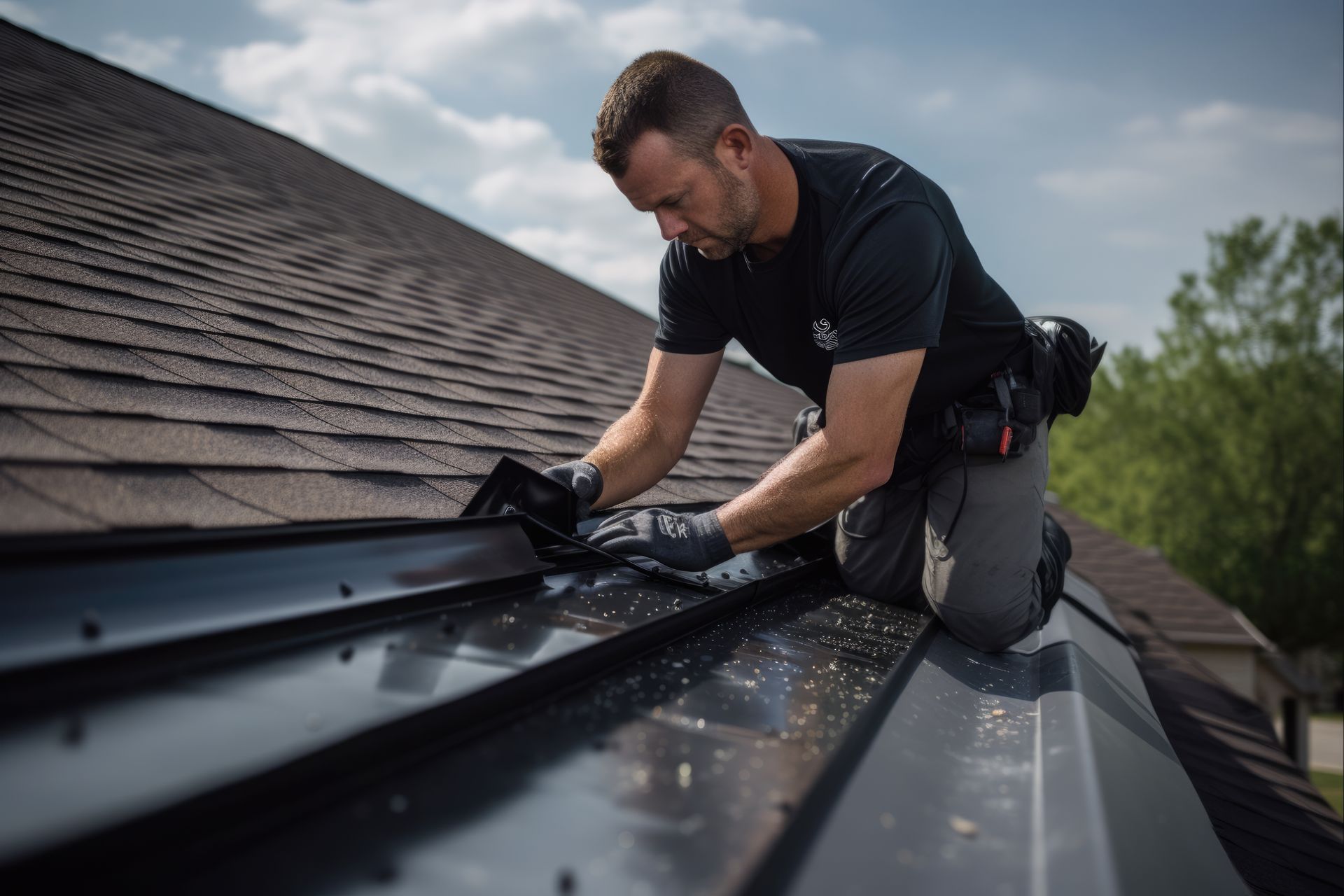
Lifting or disturbing the first shingle course. Some guard systems slide a mounting bracket under the bottom row of shingles. Done carelessly, this can break the factory seal strip, crack shingles in cold weather, or leave the course improperly bedded. Done correctly by someone who understands shingle behavior, it is a routine operation.
Working on shingles in the wrong conditions. Asphalt shingles are brittle when cold. A crew lifting a shingle course on a 20-degree January morning is more likely to cause damage than the same crew doing the same work in September. This is a scheduling consideration, not just a technique one.
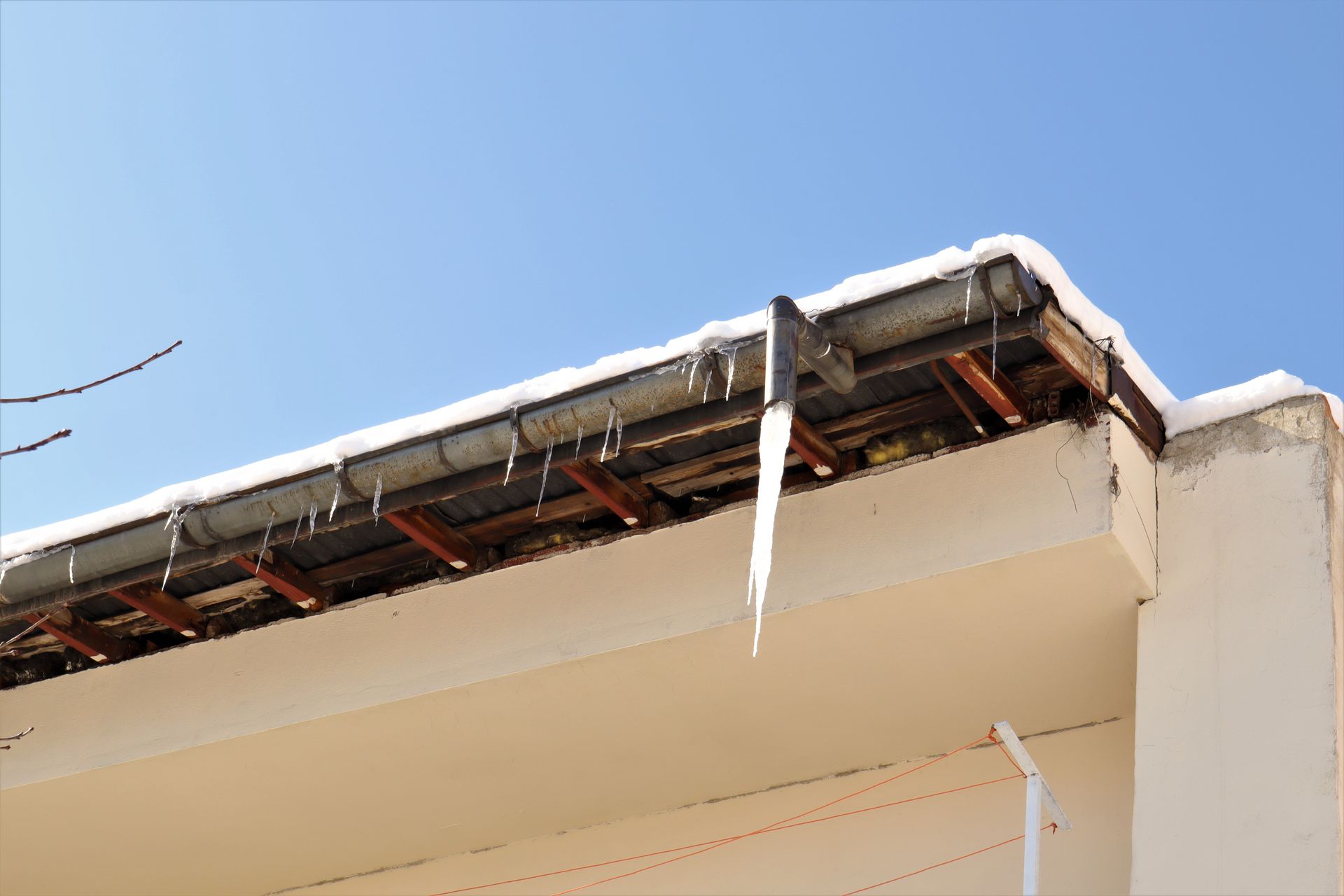
Adding load the edge was not designed for. Systems that trap snow and ice at the eave can create weight and moisture conditions the roof edge was not detailed for.
Blocking designed drainage or ventilation. Covers that interfere with drip edge function or soffit intake ventilation can create secondary problems that get attributed to the roof.
How attachment method changes the answer
Because so much depends on attachment, this is the first thing to ask about any product you are considering.
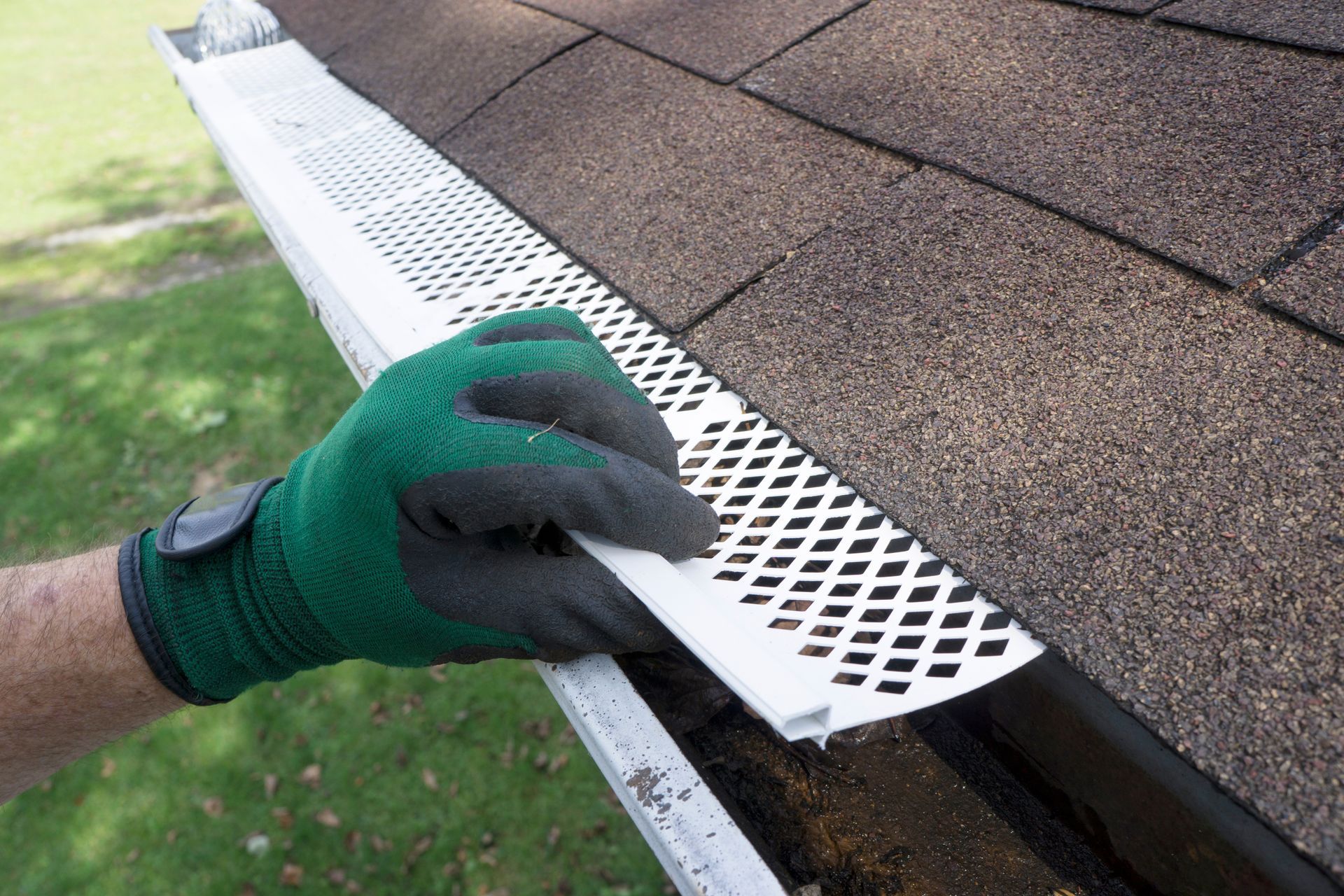
Gutter Helmet mounts using a bracket system engineered to support the cover without requiring penetration of the roof deck. The specific configuration on your home depends on your roof edge detail, your fascia condition, and your existing gutter, which is part of why the installation is measured rather than standardized. Our explanation of the gutter protection system's mechanics covers the structure.
What you want from any installer, regardless of brand, is a direct answer to three questions:
- Does this method penetrate the roof deck?
- Does it disturb the existing shingle courses, and if so, how is that handled?
- Will you document the attachment method in writing on my contract?
An installer who cannot answer these plainly is not the right installer for a home under an active roof warranty.
The practical steps before you install
If your roof is under warranty and you want to protect that position, do these five things in order.
- Locate your warranty documents. You need the manufacturer's certificate and any workmanship warranty from the roofing contractor. If you bought the home after the roof was installed, check whether the warranty transferred and under what terms.
- Read the alterations language. Look for sections addressing modifications, work by others, and required notification. This is usually one or two paragraphs and it tells you what actually matters.
- Contact the roofing contractor if a workmanship warranty is active. Many will confirm that a non-penetrating gutter cover installation is acceptable. Getting that in an email costs nothing and removes the question entirely.
- Ask the manufacturer if you are unsure. Manufacturer technical support lines exist for this. Ask specifically about the attachment method being proposed rather than about gutter guards in general.
- Get the method documented on your contract. A line specifying the attachment approach protects you if a question arises years later.
This is the same due diligence we describe in our guide to gutter guard warranties for Denver homeowners, which covers the coverage on the gutter protection itself.
Why professional installation matters here specifically
The warranty question is one of the strongest arguments against a weekend project or a low-bid crew.
A homeowner installing screens purchased from a big-box store has no documentation, no insurance, and no record of method. If a leak appears near the eave two winters later, there is nothing to point to. The same is true of an uninsured crew that disappears after the check clears.
An established installer produces a paper trail: a written scope, a documented attachment method, liability coverage, and a company still in business if something needs revisiting. Our post on why professional installation matters for longevity and performance covers the broader case, and our installation service page outlines what our process includes.
A note specific to Colorado
Two regional factors make this worth extra attention on the Front Range.
Hail means many Denver-area roofs are newer than the homes under them, and newer roofs mean more active warranties. A roof replaced after a storm three years ago is very likely still covered.
Cold-weather installation is also common here, because ice problems become obvious in winter and homeowners want them solved immediately. If you are scheduling work in deep cold and your roof is under warranty, ask directly how the crew handles shingle brittleness at low temperatures.
Frequently asked questions
Do gutter guards void a roof warranty?
Not by default. Warranties are typically voided by damage or unauthorized alteration, not by the presence of a gutter cover. An installation that penetrates the deck or damages shingles can create a legitimate claim dispute.
Does Gutter Helmet require drilling into my roof?
The system uses a bracket mounting approach designed to avoid penetrating the roof deck. Ask your installer to confirm and document the specific method for your roof edge.
Should I tell my roofing contractor before installing gutter guards?
If a workmanship warranty is still active, yes. A short email confirming they have no objection removes ambiguity and costs you nothing.
What if my roof is brand new? A new roof is the best time to install, not a reason to wait. The attachment question is the same, and coordinating while the roofing contractor is still engaged makes confirmation easier.
Can gutter guards cause roof leaks?
A poorly installed one can, generally through deck penetration, damaged shingles, or interference with drip edge drainage. A correctly installed non-penetrating system should not introduce a leak path.
Ask before you install, not after
None of this is complicated, but it is much easier to handle in advance than to untangle after a claim is denied. Find your documents, read the alterations clause, confirm the attachment method, and get it in writing.
If you want that method explained for your specific roof edge before you decide anything,
reach out and we will walk you through it, including what we document on the contract.
You might also like