Prevent Roof Damage with Helmet Heat in Colorado
Colorado winters bring heavy snow, freeze-thaw cycles, and long stretches of below-freezing temperatures. For homeowners in Denver, especially those with older or steep roofs, ice dams are one of the most common and costly winter hazards. Ice dams form when melting snow refreezes at the roof edge, trapping water behind it. That trapped water has nowhere to go but under shingles and into your home.
Roof damage from ice dams in Denver is not just cosmetic. Leaks can damage insulation, ceilings, walls, and even structural components. Many homeowners do not realize the problem until water stains or interior damage appear, often after the worst damage is already done. Understandinghow to prevent ice dams with Gutter Helmet is the first step in protecting your property.
How Traditional Gutters Contribute to Roof Damage
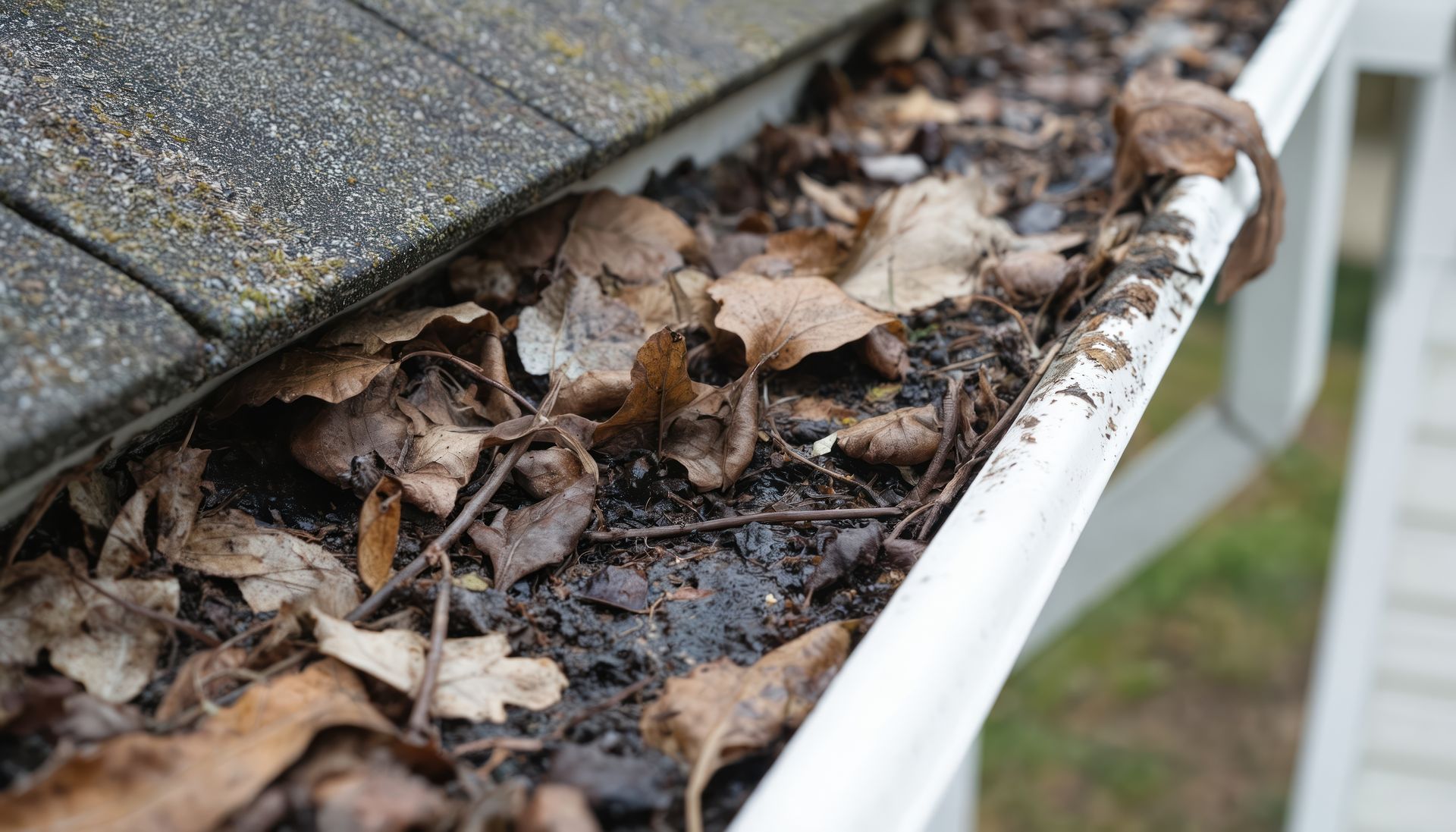
Standard gutters are designed to channel water away from your roof, but they often fail in winter conditions. Snow and ice can clog gutters, freeze solid, and prevent proper drainage. When water cannot move through the gutter system, it backs up onto the roofline.
This backup creates the perfect conditions for ice dams to form. Over time, repeated freezing and thawing stresses shingles, underlayment, and roof decking. For homes in Denver’s coldest months, this cycle significantly increases the risk of roof leaks and long-term damage.
What Helmet Heat Is and How It Works
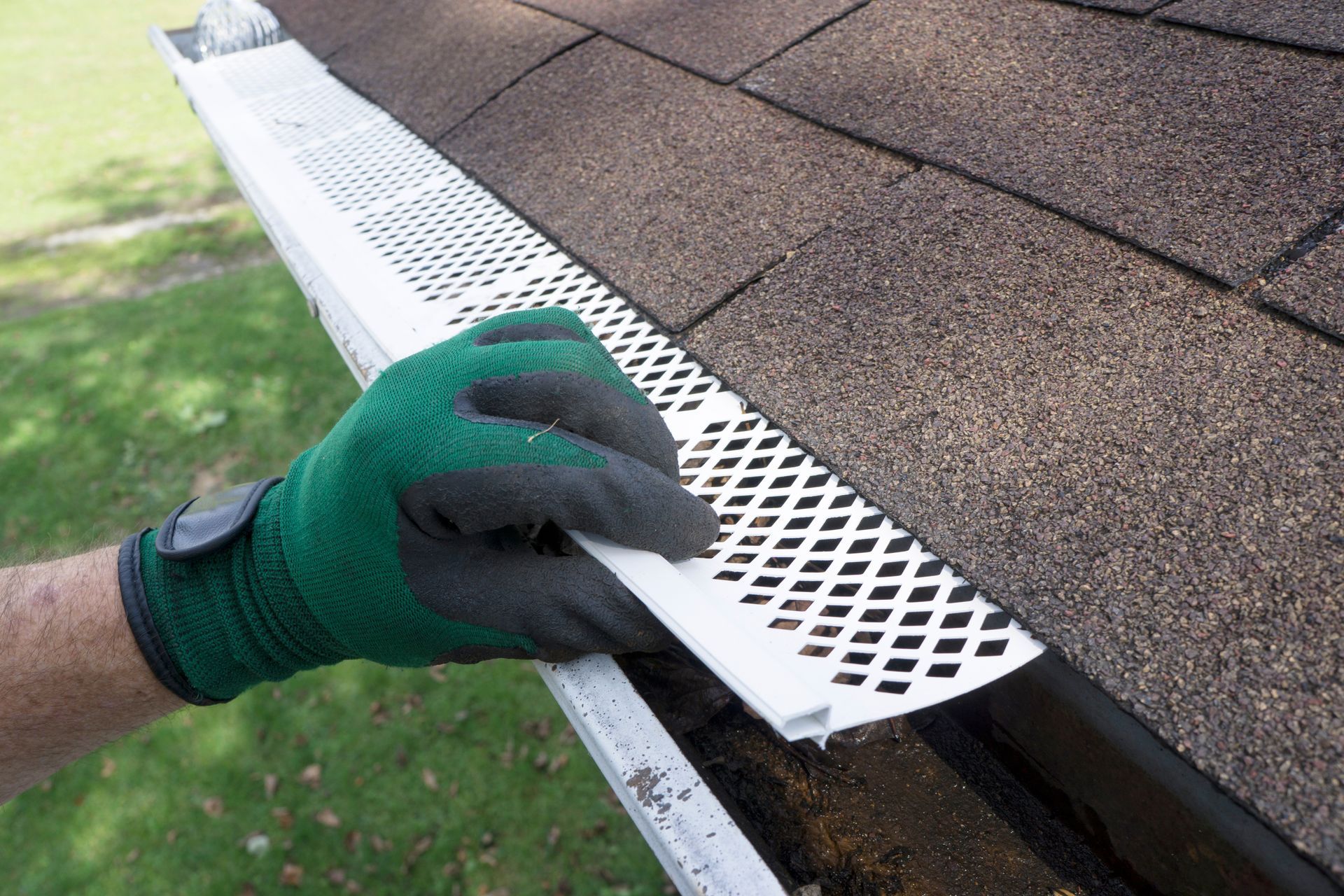
Helmet Heat is an integrated heating system designed to work with Gutter Helmet gutter protection. Instead of relying on temporary heat cables or manual ice removal, Helmet Heat provides consistent, controlled warmth along the gutter and roof edge.
The system gently melts snow and ice as it forms, allowing water to flow safely away from your roof before it can refreeze. Heated gutters in Colorado are most effective when they are professionally installed and engineered for local weather conditions, which is exactly what Helmet Heat is designed to address.
Warning Signs Your Home Is at Risk for Ice Dams
Before ice dams cause visible interior damage, there are often warning signs homeowners overlook.
Common indicators include:
- Large icicles are forming along roof edges
- Ice buildup inside gutters
- Water stains on ceilings or exterior walls
- Peeling paint or warped trim near the roofline
If you notice these signs, your roof may already be under stress from ice dams.
Ice Dam Risk and Protection Comparison
| Roof Condition | Ice Dam Risk Without Heat | With Helmet Heat Installed | Potential Outcome |
|---|---|---|---|
| Older roof | High | Low | Reduced leak and shingle damage |
| Steep roof pitch | High | Low | Improved drainage and safety |
| Poor attic insulation | Very High | Moderate | Prevents backup at roof edge |
| Standard open gutters | Very High | Low | Consistent winter water flow |
This table shows how heated gutters dramatically reduce roof damage risk when compared to traditional systems.
Why Temporary Solutions Often Fall Short
Some homeowners attempt to manage ice dams with roof rakes, salt products, or basic heat cables. While these methods may offer short-term relief, they do not address the root cause of ice dam formation and can even damage roofing materials.
Helmet Heat is designed as a permanent solution. It operates automatically during cold conditions, reducing the need for risky manual intervention and providing ongoing protection throughout the winter.
Homes That Benefit Most from Helmet Heat Protection
Not every home faces the same level of risk, but certain properties are especially vulnerable to ice dams.
Helmet Heat protection is particularly valuable for:
- Homes with older roofing systems
- Steep or complex rooflines
- North-facing roof sections that stay frozen longer
- Homes with a history of ice dam or winter leak issues
For these homeowners, heated gutters in Colorado are not a luxury; they are a protective investment.
Key Takeaways for Preventing Roof Damage
- Ice dams are a leading cause of winter roof leaks in Denver
- Traditional gutters often worsen ice dam formation
- Helmet Heat provides consistent, automated protection
- Preventing ice dams helps extend roof lifespan
Frequently Asked Questions About Helmet Heat
Does Helmet Heat work during extreme cold?
Yes. Helmet Heat is designed to operate effectively during Colorado’s coldest winter conditions.
Will heated gutters damage my roof or shingles?
No. The system provides controlled warmth and is designed to protect roofing materials, not harm them.
Is Helmet Heat expensive to operate?
Operating costs are generally lower than repairing water damage caused by ice dams.
Do heated gutters replace gutter cleaning?
Helmet Heat works with Gutter Helmet protection, reducing debris buildup and winter blockages.
Can Helmet Heat be installed on older homes?
Yes. It is commonly installed on older homes and steep roofs where ice dam risk is highest.
Protect Your Roof Before Winter Damage Starts
Ice dams do not wait until spring to cause damage, and once leaks begin, repairs can be costly.
Gutter Helmet of Denver helps homeowners protect their roofs with professionally installed Helmet Heat systems designed for Colorado winters. Serving Denver, CO, and surrounding areas, their team takes an urgent, protective approach to stopping ice dams before they form. Call
303-298-8888 today to
schedule a consultationand safeguard your roof from winter damage.
You might also like