Best Gutter Guards in Denver for Spring Snowmelt

Spring in Denver brings a unique challenge for homeowners. While the snowstorms of winter begin to fade, the rapid snowmelt caused by warming temperatures can place significant stress on a home’s gutter system. When snow and ice melt quickly, large volumes of water rush off rooftops in a short period of time. If gutters are clogged or poorly protected, this sudden surge of water can overflow, leading to foundation moisture issues, basement leaks, and landscape damage.
For many Denver homeowners, installing high-quality gutter guards is one of the most effective ways to prevent drainage problems during spring snowmelt. Modern gutter guard systems are designed to keep debris out while allowing melting snow and rainwater to flow freely through the gutters. Understanding how snowmelt affects drainage and how gutter guards work can help homeowners protect their property during Colorado’s unpredictable spring season.
Why Spring Snowmelt Is a Major Issue for Denver Gutters
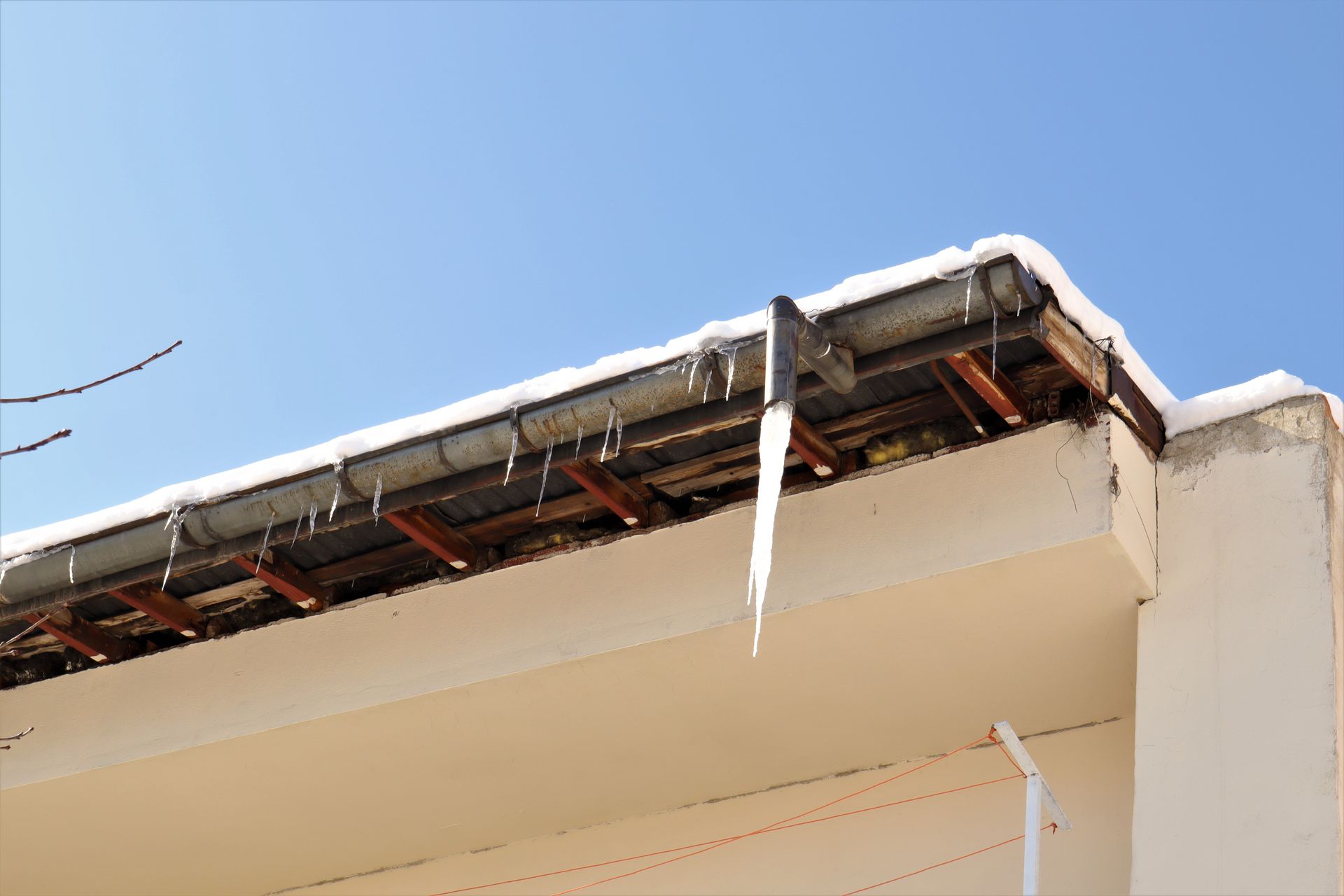
Denver’s climate is known for dramatic temperature swings. It is common for snow to accumulate during late winter storms and then melt rapidly when temperatures rise above freezing. This cycle of freezing and thawing can send large amounts of water down rooftops within a matter of hours.
When gutters are filled with leaves, pine needles, and debris from the fall and winter months, water cannot move through the system efficiently. Instead, it spills over the sides of the gutter and collects around the base of the home.
Several conditions make Denver homes particularly vulnerable during the snowmelt season:
- Sudden daytime temperature increases that accelerate snowmelt
- Roof ice buildup that melts rapidly when temperatures rise
- Debris accumulation from winter winds and nearby trees
Without proper drainage, water can seep into soil surrounding the foundation, increasing the risk of basement moisture and structural damage.
How Gutter Overflow Leads to Basement Moisture
When gutters fail to channel water away from a home, the consequences can extend far beyond the roofline. Overflowing gutters often direct water directly toward the foundation.
As water saturates the soil around the foundation, pressure builds against the basement walls. Over time, this pressure can force moisture through small cracks or joints in the concrete. Even minor water intrusion can lead to mold growth, structural deterioration, and costly repairs.
Denver’s clay-heavy soils can worsen the problem because they expand when wet and contract when dry. This movement increases stress on foundation walls and makes proper drainage even more important.
A well-maintained gutter system plays a critical role in directing water safely away from the home.
What Gutter Guards Do
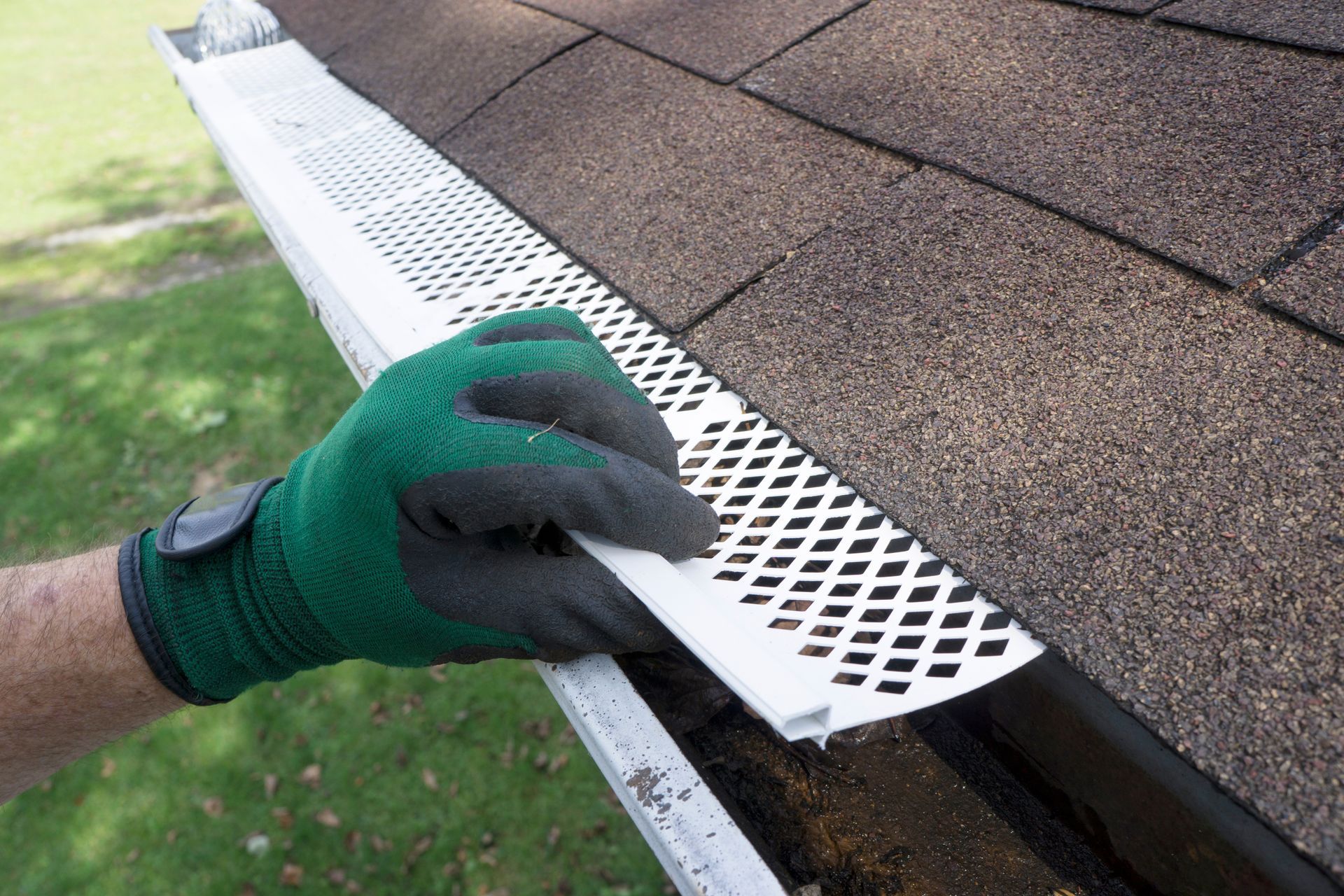
Gutter guards are protective systems installed over or within gutters to prevent debris from entering the drainage channel. Their primary function is to allow water to pass through while blocking leaves, needles, and other debris.
By keeping gutters clear, gutter guards help maintain consistent water flow during heavy rain or snowmelt events. This reduces the likelihood of overflow and protects the home’s foundation.
Modern gutter guards are designed to handle a variety of weather conditions, including snow and ice. Many systems are engineered with curved or micro-mesh surfaces that guide water into the gutter while debris slides off the edge.
When properly installed, gutter guards can dramatically reduce the need for seasonal gutter cleaning and improve overall drainage performance.
Features of High-Quality Gutter Guards for Denver Homes
Not all gutter guards are equally effective, especially in climates like Denver where snow, ice, and wind-driven debris are common. The best gutter guard systems are designed to perform reliably in changing weather conditions.
Homeowners evaluating gutter guard options should look for systems that offer:
- Durable materials that resist rust, corrosion, and snow loads
- Micro-mesh or surface tension designs that filter small debris
- Secure attachment methods that remain stable during storms
In Denver’s environment, gutter guards must be strong enough to withstand winter conditions while still allowing heavy spring runoff to flow through quickly.
High-performance systems are typically designed to work with existing gutters without interfering with rooflines or shingles.
Benefits of Installing Gutter Guards Before Snowmelt Season
Many homeowners wait until they experience drainage problems before considering gutter guards. However, installing a gutter protection system before spring snowmelt begins can prevent many common issues.
One of the most significant advantages is improved water flow during periods of rapid melting. When gutters remain free of debris, water can move efficiently toward downspouts and away from the home.
Gutter guards also reduce the amount of maintenance required throughout the year. Instead of climbing ladders to remove debris multiple times per season, homeowners can rely on a protective system to keep gutters functioning properly.
Additional benefits of modern gutter guard systems include:
- Reduced risk of gutter overflow during snowmelt
- Less frequent gutter cleaning and maintenance
- Improved protection against basement moisture problems
These advantages make gutter guards a practical investment for homeowners seeking long-term protection against water damage.
Why Professional Installation Matters
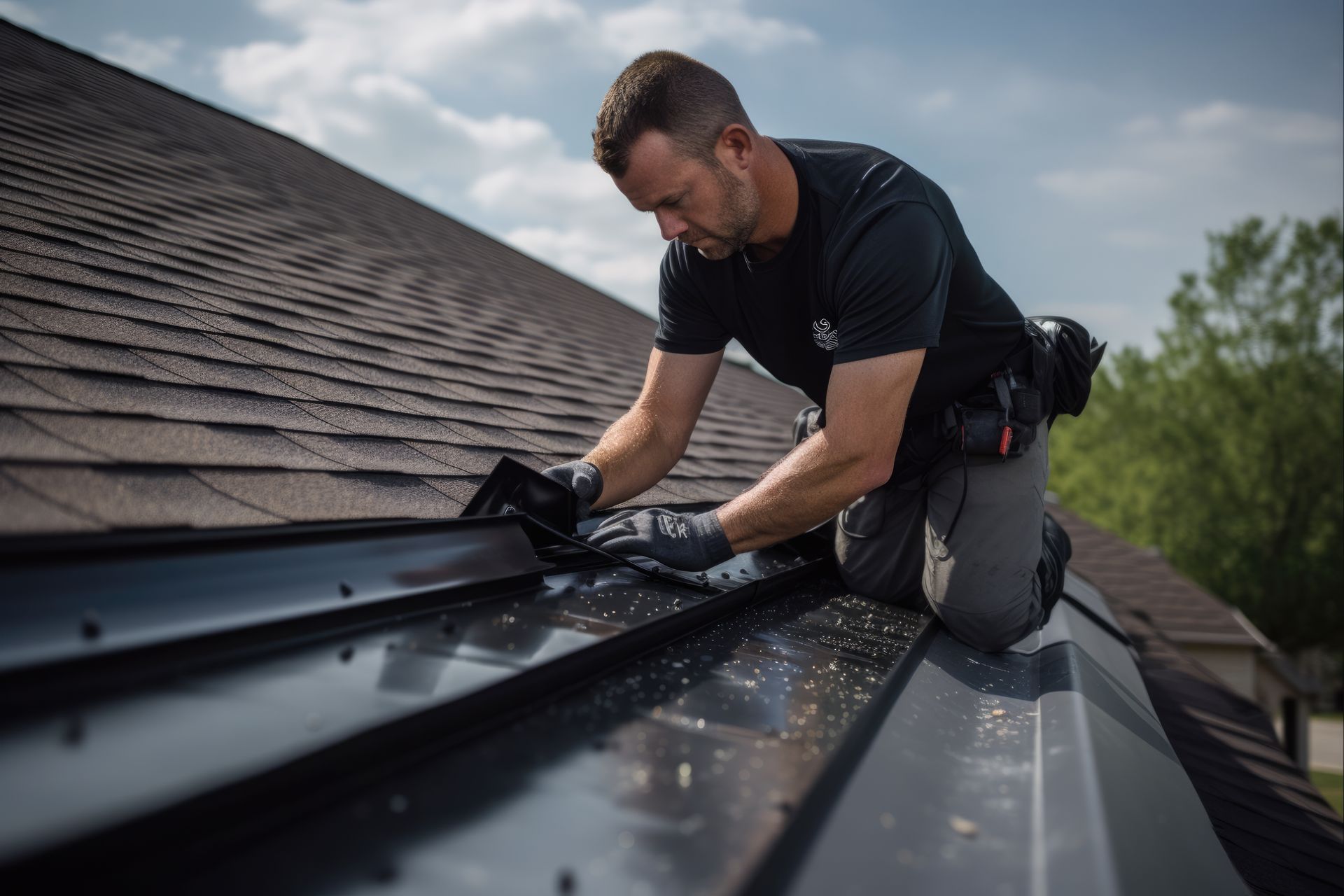
While some gutter guards are marketed as do-it-yourself solutions, professional installation often produces the best results. Experienced installers can ensure the system is properly fitted to the home’s existing gutter structure and roofline.
Professional installers also evaluate factors such as roof pitch, gutter slope, and downspout placement. These elements influence how effectively water flows through the system during heavy runoff events.
Improperly installed gutter guards may allow debris to enter the gutters or restrict water flow. In some cases, poorly designed systems can even worsen overflow problems.
Working with experienced professionals helps ensure the gutter guard system performs as intended during Denver’s demanding weather conditions.
Maintaining Gutters Even with Guards
Although gutter guards significantly reduce debris accumulation, some basic maintenance is still recommended. Seasonal inspections can help identify potential issues before they lead to drainage problems.
Homeowners should occasionally check that downspouts remain clear and that water flows freely away from the foundation during rainfall or snowmelt.
Roof debris such as pine needles or small twigs may occasionally collect on the surface of certain gutter guard systems. In most cases, wind and rain naturally clear this debris, but periodic inspection ensures the system remains effective.
Maintaining a properly functioning gutter system helps protect the home from water damage year-round.
Why Denver Homes Benefit from Advanced Gutter Protection
Denver’s climate presents unique challenges for home drainage systems. Winter snow accumulation followed by rapid spring warming creates conditions that can overwhelm unprotected gutters.
Homes located near mature trees may also experience heavy debris buildup during fall and winter storms. Without protection, this debris can quickly clog gutters and restrict water flow.
Installing high-quality gutter guards provides a long-term solution that helps gutters function efficiently during all seasons.
For homeowners concerned about foundation moisture, basement leaks, and drainage issues during spring snowmelt, a professionally installed gutter protection system can offer reliable peace of mind.
Frequently Asked Questions About Gutter Guards in Denver
Do gutter guards work during Denver snowmelt?
Yes. High-quality gutter guards are designed to allow melting snow and rainwater to flow through while preventing debris from clogging the gutter system.
Can clogged gutters cause basement moisture?
Yes. When gutters overflow, water can collect around the foundation and seep into basement walls or crawl spaces.
Are gutter guards necessary in Denver?
While not required, gutter guards can significantly improve drainage performance in areas with heavy debris and rapid snowmelt.
Do gutter guards eliminate the need for gutter cleaning?
Gutter guards greatly reduce cleaning frequency, though occasional inspections are still recommended to ensure optimal performance.
When is the best time to install gutter guards?
Many homeowners install gutter guards before spring snowmelt or fall leaf season to prevent seasonal drainage problems.
Protecting Your Home Before Spring Snowmelt
Denver’s spring weather can change quickly, and melting snow can place unexpected pressure on home drainage systems. Ensuring that gutters remain clear and functional during this period is essential for protecting foundations, basements, and landscaping.
Installing high-quality gutter guards provides a proactive solution that keeps debris out while allowing water to flow freely. By maintaining proper drainage, homeowners can reduce the risk of water damage and costly repairs.
Gutter Helmet of Denver specializes in advanced gutter protection systems designed to perform in Colorado’s demanding climate. With professional installation and durable materials, homeowners can enjoy reliable drainage and reduced maintenance throughout the year.
If you are preparing your home for spring snowmelt, consulting with a gutter protection specialist can help you choose the right system to keep your gutters flowing smoothly when it matters most.
You might also like